Worried about your family while working late? This simple system brought me peace of mind
You know that sinking feeling—racing through traffic after a long workday, wondering if the kids got home safely or if your aging parent took their medication. I felt it daily, until I found a quiet helper: a home monitoring system that didn’t complicate life, but quietly protected it. It didn’t take over—we still laugh at dinner, still hug at the door—but now, I know everything’s okay, even when I’m not there. That small shift—from guessing to knowing—changed how I move through my days. I’m less frazzled, more focused, and honestly, a better version of myself when I walk through the front door.
The Moment Everything Felt Out of Control
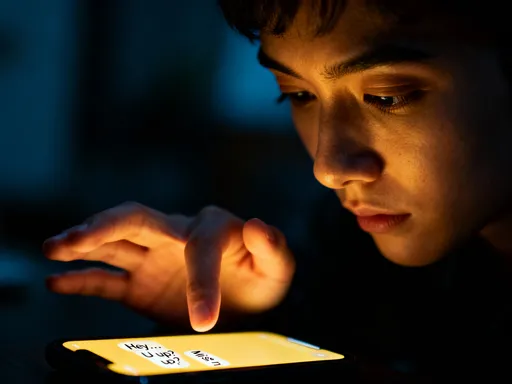
It was a rainy Tuesday in October when everything clicked into place—or rather, fell apart. I was stuck at the office, finishing up a last-minute presentation, when my phone buzzed. It was our sitter, calling twice in a row. My stomach dropped. By the time I answered, she’d already left a voicemail: “Your daughter ran a fever around 4 p.m. I gave her some Tylenol and kept an eye on her. She’s sleeping now.” Four p.m. It was nearly 7:30. Three hours had passed, and I hadn’t known a thing.
I remember driving home in silence, rain tapping against the windshield like tiny fingers trying to get my attention. My hands gripped the wheel too tightly. All I could think about was her little face flushed with heat, alone on the couch while I sat in a conference room, debating font sizes. The guilt hit me like a wave—hot and heavy. I wasn’t just late; I was absent. Not physically, maybe, but emotionally? Mentally? I was somewhere else entirely. And in that moment, I realized I couldn’t keep pretending I had it all figured out.
My kids were growing up fast. My mom, who lived with us after Dad passed, needed a little extra care. And I? I was stretched thin, trying to be everything to everyone. I loved my job, but not at the cost of missing what mattered most. I wanted to be the kind of mom who showed up—fully, warmly, without distraction. But how could I, when my mind was always back at home, spinning through worst-case scenarios?
Why “Just Checking In” Wasn’t Enough
Before I found a better way, I did what a lot of us do: I checked in—constantly. I’d text my sitter every hour. “Is she eating?” “Did she take her nap?” “Is Mom okay?” I even asked our neighbor once to peek through the living room window to make sure the lights were on. I thought I was being responsible. But looking back, I wasn’t being responsible—I was being reactive. Anxious. And honestly, a little exhausting.
My kids started to notice. “Mom, your phone dings like a microwave,” my son said one night, half-joking. My daughter would groan when I called during homework time. “I’m fine, Mom. You just called ten minutes ago.” Even my mom, bless her heart, started teasing me. “You checking to see if I’ve escaped the house again?” She laughed, but I could hear the edge in her voice. I wasn’t making her feel cared for—I was making her feel watched.
And here’s the truth no one talks about: constant checking doesn’t build trust. It builds dependency—and not the healthy kind. I was teaching my family that I didn’t trust the situation, or even them, to be okay without my constant supervision. That’s not love. That’s control. And control, I’ve learned, doesn’t protect relationships—it strains them. I needed a different approach. Something that gave me peace without costing me connection.
Discovering the Right Kind of Watchfulness
The idea of a home monitoring system used to make me uncomfortable. I pictured clunky cameras in every corner, alarms blaring over a dropped spoon, and that weird feeling of being watched even in my own home. But then my friend Lisa mentioned she’d started using one—not for crime prevention, she said, but for peace of mind. “It’s not about catching something bad,” she told me. “It’s about knowing everything’s normal.”
That stuck with me. I started doing some quiet research. Not the flashy, tech-heavy stuff, but real-life stories from moms, caregivers, and empty-nesters who just wanted to feel a little more at ease. What I found surprised me. Modern home monitoring isn’t about surveillance. It’s about gentle awareness. Think of it like a digital front porch light—always on, but only noticeable when something’s off.
These systems use smart motion sensors, soft-focus cameras, and privacy-first design. You get alerts only when something unusual happens—like movement at 2 a.m., or a door opening when no one should be home. No constant pings. No need to stare at a screen all day. Just a quiet nudge when it matters. I realized I wasn’t looking for a watchdog. I was looking for a whisper—a soft reminder that life was moving along just fine.
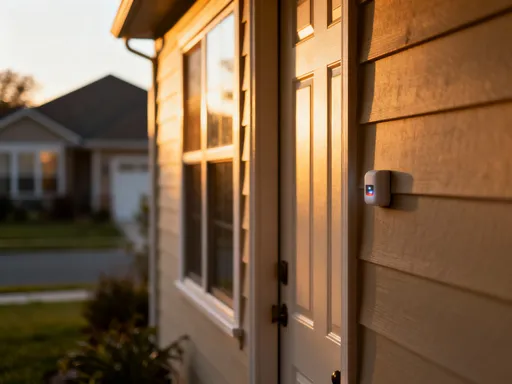
I decided to try one. I’ll admit, I was skeptical. Would it feel intrusive? Would my family hate it? But I also knew I couldn’t keep living in that loop of worry and guilt. So I ordered a simple starter kit—one indoor camera, one outdoor door sensor, and a mobile app. No bells, no whistles. Just clarity.
How the System Fits Into Real Life (Without Taking Over)
Setting it up was easier than I expected. The whole thing took less than two hours, and I did it while watching a sitcom rerun. The app opened with a clean, friendly interface—no confusing menus or tech jargon. It felt like something made for people like me, not engineers. I placed the indoor camera in the living room, angled toward the couch where Mom likes to read in the afternoons. The second camera went near the front door, just high enough to see who comes in, but not so it felt like Big Brother.
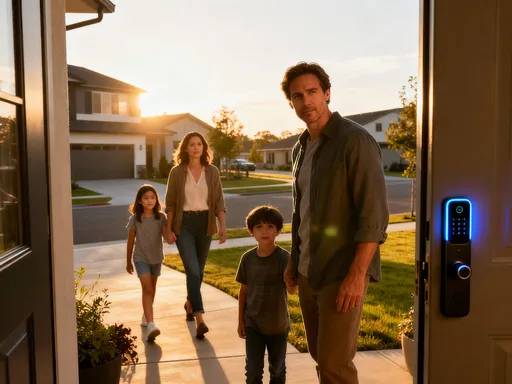
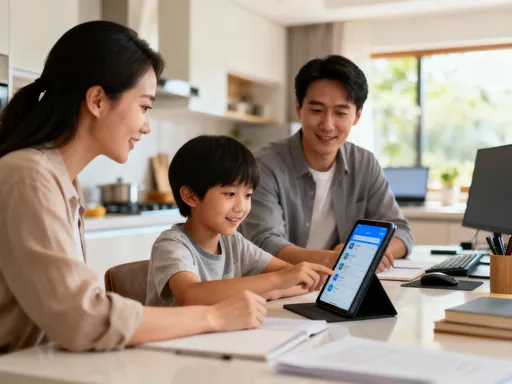
We talked about it as a family first. That was important. I didn’t want anyone to feel like I was sneaking something in. “It’s not about watching you,” I said. “It’s about knowing you’re safe when I’m not here.” We agreed on rules: no cameras in bedrooms or bathrooms, audio off during family time, and everyone got access to the app. My son even helped pick the alert sounds. He chose a soft chime—“Like a tea kettle,” he said. “Not scary.”
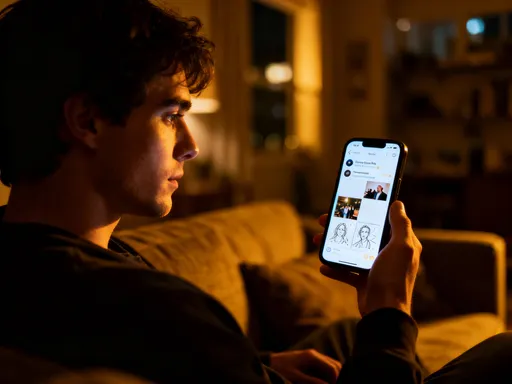
The first week, I checked the app constantly. Old habits die hard. But soon, I realized how little I actually needed to look. Most of the time, the screen showed exactly what I expected: Mom curled up with her book, the dog napping on the rug, my daughter doing homework at the kitchen table. Normal life. Safe life. And when an alert did come—like the back door opening during dinner—I could tap in, see my husband walking in with groceries, and go right back to my meal. No panic. No phone calls. Just confirmation.
It became part of the home, like the thermostat or the coffee maker—there when needed, invisible when not. My mom, who was the most hesitant at first, now says she feels safer. “If I drop something or need help, I know someone will see it,” she told me. And that? That made it all worth it.
The Real Shift: From Worry to Calm Confidence
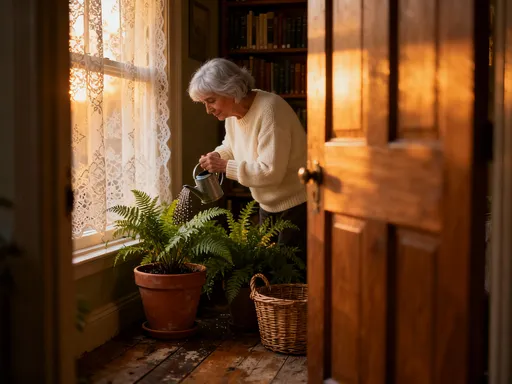
The biggest change wasn’t in the system. It was in me. One evening, I got a motion alert from the living room at 8:30 p.m. My heart did a little jump—old reflex—but I didn’t panic. I opened the app calmly, tapped the feed, and saw Mom standing by the window, watering her peace lily. That’s it. No emergency. No crisis. Just life unfolding as it should.
But that small moment meant everything. Because for the first time, I wasn’t imagining the worst. I wasn’t replaying scenarios in my head. I had real information. And with that information came something I hadn’t felt in years: calm. Not the kind of calm that comes from ignoring problems, but the kind that comes from knowing you’re equipped to handle them.
At work, I found I could focus better. I wasn’t distracted by the “what ifs” anymore. I still care deeply—I always will—but now my care isn’t tangled up in fear. I can laugh in meetings. I can finish projects on time. And when I walk in the door at night, I’m not scanning the house for signs of trouble. I’m present. I’m smiling. I’m hugging my kids like I mean it.
The system didn’t replace my love or attention. It protected them. It gave me the space to be fully me—both at work and at home. And honestly? That’s the greatest gift technology has given me: not more data, but more presence.
Balancing Tech with Togetherness
I’ll be honest—I used to worry that using tech like this might make us more distant. That we’d become a family of people staring at screens, emotionally disconnected. But the opposite has happened. Because I’m not constantly checking my phone out of anxiety, I’m actually more engaged when I’m home. Dinner conversations are longer. Movie nights are uninterrupted. I’m not excusing myself to “just check in” every twenty minutes.
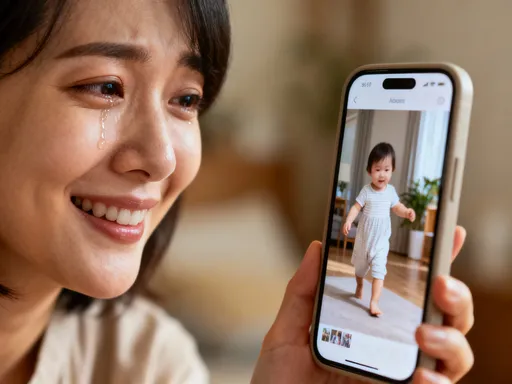
My daughter noticed it first. “Mom,” she said one night, “you’re not stressed anymore.” That stopped me mid-bite. I hadn’t realized how much my tension had been radiating through the house. But she had. And now, she says, “You actually listen when I talk.” That hit me right in the heart.
We still have our routines. We still argue over chores and screen time. But the undercurrent of worry that used to hum through our days? It’s gone. And in its place is something softer: ease. The system didn’t take over our lives. It made room for them to breathe. We’re not hiding behind cameras—we’re living more fully because we feel more secure.
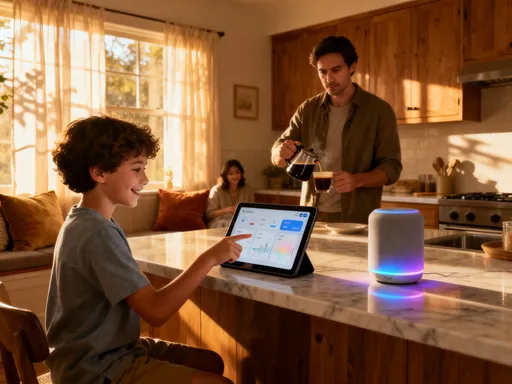
And here’s something I didn’t expect: my kids now use the app too. My son checks the front camera when he’s walking home from the bus stop. “I just wanna make sure no one’s at the door,” he said. My daughter uses it to wave at Mom when she’s studying. “Hi, Grandma! Look what I made!” It’s become part of how we connect, not how we spy. That’s the difference. This isn’t about surveillance. It’s about shared care.
A New Kind of Peace—Simple, Quiet, and Always There
Today, I don’t think about the system unless I need to. It’s background music to our lives—there, but not demanding attention. When I do check, it’s not with a racing heart. It’s with a quiet sense of care. I see my son sprawled on the floor with his math homework. I see Mom laughing at a game show. I see the dog chasing a toy. Life, unfolding safely. And that’s enough.
This isn’t about having the fanciest gadgets or the most cameras. It’s about giving yourself permission to breathe. To trust. To believe that you can do your best, even when you’re not in the same room. The system didn’t fix my life—it held space for it to thrive.
If you’re like I was—tired, stretched, always wondering “What if?”—I want you to know there’s another way. You don’t have to choose between your responsibilities and your peace of mind. You can have both. A simple, thoughtful system can give you the quiet reassurance that your people are safe, your home is calm, and you’re never truly out of touch.
Because at the end of the day, technology isn’t about replacing human connection. It’s about protecting it. It’s about making room for more laughter, more hugs, more moments that matter. And if a little device can help you show up as your best self—calm, confident, fully present—then isn’t it worth a try? You deserve that peace. Your family does too.