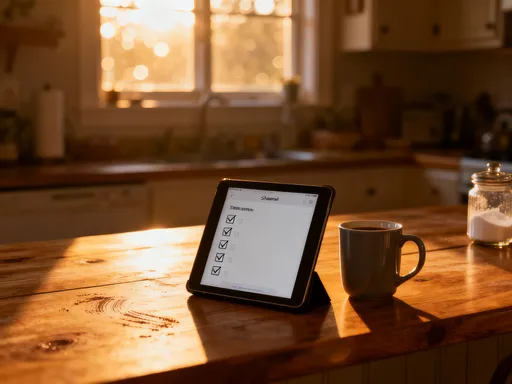
What If Your Evening Video Calls Could Feel as Cozy as Your Favorite Sweater?
Have you ever finished a video call feeling more tired than when you started? Glaring screens, stiff postures, and that nagging sense that you’re “on stage” can drain the warmth from even the closest conversations. But what if video chat didn’t have to feel like work? What if, instead, it could wrap around you like comfort after a long day? I used to dread evening calls—until I discovered small changes that transformed them from exhausting to effortless. It wasn’t magic. It was simply learning how to let technology serve me, not the other way around. And once I made a few gentle tweaks, something beautiful happened: my calls started to feel like coming home.
The Hidden Fatigue of Evening Video Chats
We often overlook how evening video calls affect our energy. Unlike daytime interactions, these conversations happen when our bodies are winding down. The sun has set, our muscles are softening, and our minds are drifting toward rest. But then—ping—the call starts. Suddenly, we’re sitting up straight, squinting at a bright screen, forcing smiles, and trying to look “present” while feeling anything but. It’s no wonder so many of us end these calls more drained than before. The problem isn’t the people we’re talking to. It’s the way the technology interacts with our natural rhythms.
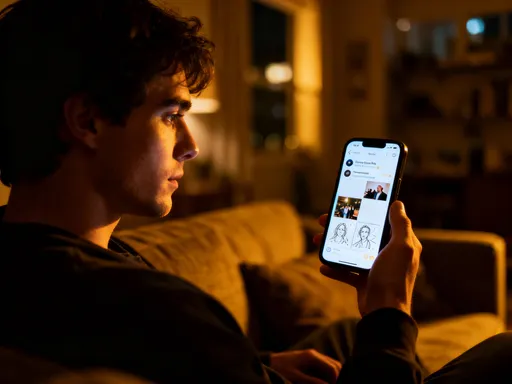
Bright screens are one of the biggest culprits. They emit blue light, which scientists have shown can suppress melatonin—the hormone that helps us fall asleep. So when you’re on a call at 7 or 8 p.m., your brain may be getting signals that it’s still daytime. That’s why you might feel alert during the conversation but then crash hard afterward. It’s not just physical exhaustion. There’s an emotional layer, too. We’re conditioned to perform on camera—to look composed, cheerful, engaged. But in the evening, that performance can feel especially heavy. I remember one night, after a long day of managing the house, helping the kids with homework, and folding laundry, I logged into a call with my sister. I wanted to connect, but halfway through, I found myself blinking back tears. Not because of anything she said—but because I was so tired of pretending I wasn’t tired.
What I’ve learned is that evening calls don’t have to cost us our peace. They can actually be a part of our wind-down routine, not an interruption to it. The key is to stop treating them like mini-meetings and start treating them like visits. Think about it: when a friend comes over in the evening, you don’t turn on the overhead light, sit up perfectly straight, and speak in your “best voice.” You sink into the couch, maybe wrap yourself in a blanket, and let the conversation flow. Why shouldn’t video calls feel that way too? With a few thoughtful adjustments, they can.
Lighting: Setting the Mood Without Saying a Word
Lighting does more than just make you visible—it shapes the entire mood of a call. Harsh overhead lights or the cold glow of a laptop screen can make your face look flat, tired, or even harsh. I used to take calls under a bright kitchen light without thinking, until my niece gently said, “Auntie, you look kind of… intense.” I laughed, but it stuck with me. Was I unintentionally making my calls feel more like interviews than chats?
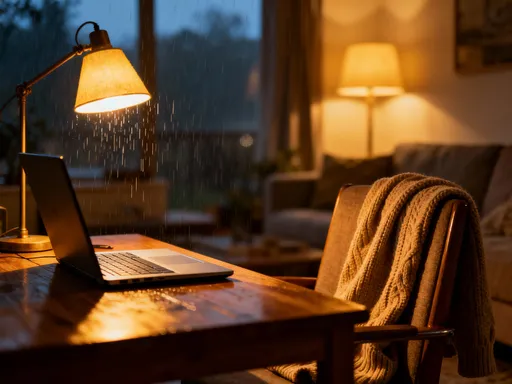
Switching to warm, soft lighting changed everything. I started using a small desk lamp with a warm-toned bulb, placing it just behind my laptop and pointing it slightly away from the camera to avoid glare. The light now wraps around me like a soft halo, softening shadows and warming my skin tone. It’s not just about looking better—it’s about feeling better. Warm light signals to your brain that it’s time to relax. And that calm doesn’t just stay with you—it travels through the screen. My sister noticed it right away. “You look so peaceful now,” she said. “It’s like you’re finally breathing.”
You don’t need expensive studio gear. Even a table lamp with a fabric shade can make a world of difference. The goal isn’t perfection—it’s warmth. You can also use smart bulbs that let you adjust the color temperature. I set mine to around 2700K in the evening, which mimics the cozy glow of candlelight. Some video apps even have built-in brightness adjustments, but nothing replaces real, physical light. Think of it like setting the table before a meal. You wouldn’t serve a lovingly cooked dinner on a cluttered counter with fluorescent lights, would you? Then why would you invite someone into your digital space without making it feel welcoming?
Camera Positioning: Seeing Eye-to-Eye, Not From Below
Have you ever been on a call where the other person’s camera is too low, so you’re staring up their nose? It’s awkward, unflattering, and—without realizing it—can make the conversation feel off-balance. When the camera is below eye level, it creates a slight power dynamic, like you’re looking up at someone who’s towering over you. And if you’re the one being looked up at, you might feel self-conscious or even a little exposed.
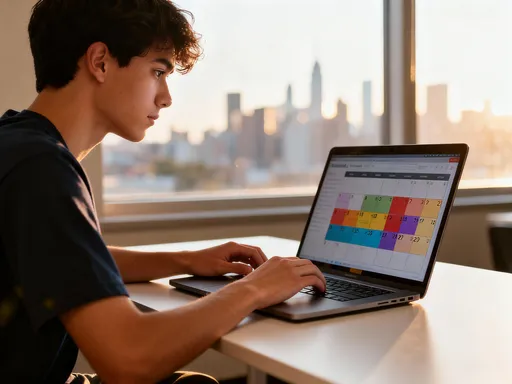
I used to take calls with my laptop on the kitchen table, which meant the camera was aimed up at my chin. I didn’t think much of it—until I started paying attention to how I felt during calls. I was slouching, pulling my shoulders in, and constantly adjusting my posture. I felt like I was performing, not connecting. Then I raised my laptop onto a stack of books, bringing the camera to eye level. The difference was instant. My posture improved, but more importantly, I felt more confident and present. My mom called a few days later and said, “It’s like you’re really sitting across from me now.” That small shift made the call feel more intimate, more real.
Eye-level camera positioning does something subtle but powerful: it creates equality. When we see each other straight on, it feels like a conversation between equals, not a presentation. You don’t need a fancy stand—just a few sturdy books or a small box will do. If you use your phone, prop it up on a mug or a picture frame. The goal is to have the lens at the same height as your eyes when you’re sitting naturally. And while you’re at it, take a moment to check your background. A cluttered countertop or messy living room isn’t the end of the world—most of us live real lives, after all—but a simple shelf, a plant, or a blank wall can help the focus stay on you, not the chaos behind you.
Sound That Soothes, Not Strains
We often focus on how we look on camera, but sound is just as important—if not more. Think about the last time you were on a call with someone whose voice sounded tinny, distant, or muffled. Did you have to strain to hear them? Did it make the conversation feel more like work than connection? Poor audio pulls us out of the moment. It forces us to focus on decoding words instead of feeling the emotion behind them.
I started paying attention to my sound quality after a call with my cousin, where I kept asking her to repeat herself. She sounded like she was calling from inside a metal can. I realized my laptop’s built-in mic was picking up every little noise—the hum of the fridge, the clink of a spoon in a mug, even the rustle of my sweater. So I invested in a simple pair of over-ear headphones with a built-in microphone. The difference was night and day. My voice sounded warmer, fuller, and more natural. And because the mic was closer to my mouth, it picked up my voice clearly while reducing background noise.
But it’s not just about hardware. The sounds around you matter too. I’ve started playing soft ambient audio during calls—just low enough that it’s felt more than heard. A recording of distant rain, a crackling fireplace, or even gentle piano music can create a shared atmosphere. It’s not about distracting from the conversation—it’s about deepening it. Sound shapes intimacy in ways we don’t always notice. When a child laughs on the other end of the line, you want to hear the joy in their voice, not the echo of a hollow room. When your sister tells a story, you want to catch the warmth in her tone, not the static of a poor connection. Good sound doesn’t just carry words—it carries feeling.
Routines That Signal “Time to Unwind”
One of the biggest shifts I made wasn’t technical at all—it was ritual. I created a five-minute pre-call routine that helps me transition from “doing” mode to “being” mode. I dim the lights, pour a cup of chamomile tea, close all my browser tabs, and take three slow breaths. This simple sequence tells my body and mind: this call is not another task. It’s a moment of connection.
Before this, I’d often jump onto calls straight from answering emails or helping with homework. My brain was still racing, my shoulders tense, my voice a little too sharp. No wonder the calls felt stressful. Now, that little ritual acts like a soft buffer. It’s my way of saying, “I’m here. I’m present. I’m not multitasking.” My friends have noticed the difference. One said, “Our calls feel slower now—in a good way. Like we’re actually talking, not just checking in.”
Rituals like this help us reclaim our time and attention. They remind us that technology should serve our lives, not dominate them. You can customize your routine to fit your rhythm. Maybe it’s lighting a candle, wrapping yourself in a cozy blanket, or doing a quick shoulder stretch. The point isn’t perfection—it’s intention. When you approach a call with the mindset of connection, not performance, it shows. Your voice softens. Your smile comes easier. And the person on the other end feels it, even through a screen.
Choosing Apps That Adapt to You, Not the Other Way Around
Not all video apps are created equal—especially when it comes to evening calls. Some are designed for work meetings, with bright interfaces, constant notifications, and automatic brightness adjustments that wash out your face in dim light. Others are built with more flexibility, offering features like night mode filters, background blur, and minimalist layouts that keep the focus on the conversation.
I switched to an app that lets me apply a subtle warmth filter—like a digital version of my favorite lamp. It gently enhances skin tones and reduces harsh contrasts, so I don’t have to sit under perfect lighting to look like myself. The interface is clean, with no pop-ups or sidebars demanding my attention. When I open it, it feels less like logging into a corporate meeting and more like opening a window into someone’s living room.
The right app should disappear into the background, not dominate the moment. Look for ones that let you customize your experience: dim the interface, hide thumbnails, mute notifications, and even adjust audio tone. Some apps now offer “voice focus” modes that reduce background noise, which is perfect if you’re calling from a busy household. The goal is to choose tools that adapt to your life, not the other way around. You shouldn’t have to contort your routine to fit a piece of software. Technology should bend to you, especially in the evening, when you’re seeking comfort, not control.
Reclaiming Connection Without the Cost
Evening video calls don’t have to leave us drained. With thoughtful adjustments, they can become a source of comfort, not fatigue. When technology serves our need for ease and warmth, it stops being a demand and starts feeling like care. I no longer brace myself for calls—I look forward to them. And that, more than any feature, is the real promise of technology: not just staying connected, but feeling truly held.
It’s easy to forget that we’re in charge. We don’t have to accept glare, stiffness, and performance anxiety as the price of staying in touch. Small changes—warm light, eye-level cameras, soothing sound, calming rituals, and thoughtful apps—can transform a call from something we endure into something we enjoy. These aren’t tech hacks. They’re acts of self-respect. They say: my time matters. My energy matters. My relationships matter.
So the next time you’re about to log onto an evening call, ask yourself: what would make this feel more like a visit and less like a meeting? Could you dim the lights? Raise your camera? Put on a cozy sweater? Take a deep breath before you click “join”? These small choices add up. They turn technology from a source of stress into a vessel for warmth. And in a world that often feels too fast, too loud, too demanding, that’s a quiet revolution—one call at a time.