I Kept Saying 'They’re Fine' — Until the Fall Changed Everything
It’s easy to believe our aging parents are safe—until a late-night call shatters that peace. I thought my dad was independent enough, but when he fell at home and lay there for hours, everything changed. That moment forced me to rethink how we care for elders. Technology isn’t cold or impersonal when it helps prevent disasters. It became our silent guardian. If you’ve ever worried but didn’t know what to do, this is for you. You’re not alone. And the good news? There’s a gentler, smarter way forward—one that protects their dignity and gives you real peace of mind.
The Wake-Up Call: When “They’re Fine” No Longer Feels True
How many times have you said it? "They’re fine." We say it like a mantra, hoping repetition makes it true. I did. My dad lived alone in the house he’d raised us in—same kitchen where he taught me to make pancakes, same porch where he read the paper every morning. He walked daily, cooked for himself, even mowed the lawn. So when I called and he sounded a little tired, I told myself, "He’s just getting older. He’s fine."
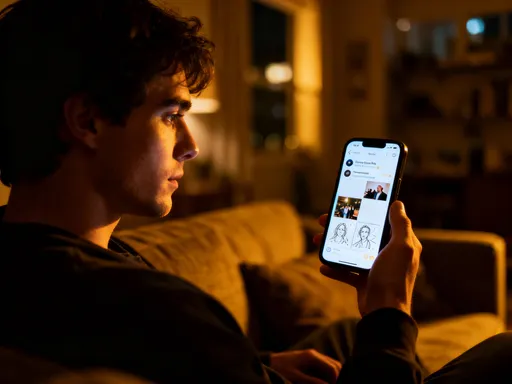
Then came the call I’ll never forget. Not from him—but from a neighbor. "I saw his lights on all night," she said. "And his car hasn’t moved in two days." I drove over in a panic. I found him on the bathroom floor, cold and disoriented, unable to reach the phone. He’d slipped while getting up in the night. No broken bones, thank goodness, but he’d been lying there for nearly ten hours. The shame I felt—how could I not have known?—was crushing. But the truth was, I’d been relying on hope, not help.
That fall didn’t just injure my dad—it cracked my assumptions. Independence doesn’t mean invincibility. And "fine" isn’t a status we can assume—it’s something we need to support. I realized then that I didn’t want to control his life. I just wanted to know he was safe. That night taught me the hardest lesson: love isn’t just showing up after a crisis. It’s doing what you can to prevent one.
From Fear to Clarity: Discovering What Real Safety Looks Like
In the weeks after the fall, I swung between guilt and fear. I thought about moving him in with me, but he resisted—gently, firmly. "This is my home," he said. And I understood. Taking away his independence wasn’t the answer. But leaving him completely on his own? That wasn’t love either. I needed a middle path. That’s when I started looking into technology—not as a replacement for care, but as a quiet companion to it.
I’ll admit, I was skeptical at first. When I searched "elder care tech," I pictured cameras in every room, constant tracking, something invasive. But what I found surprised me. Real safety isn’t about surveillance. It’s about awareness. It’s knowing when something’s off—without being in their space all the time. I discovered systems that don’t watch, but notice. Motion sensors that detect routine movements. Wearables that alert you if someone hasn’t moved in hours. Devices that don’t replace human connection—they protect it.
The shift for me wasn’t just practical—it was emotional. I stopped asking, "What if something happens?" and started asking, "How can I know if it does?" That small change lifted a weight. I wasn’t trying to control his life. I was creating a safety net, one that let him live freely while giving me a way to respond if help was needed. It wasn’t about fear anymore. It was about care with clarity.
The Hidden Problem: How Daily Routines Reveal Risk
Before the fall, I didn’t realize how much information was hiding in plain sight. My dad had always been a creature of habit. Breakfast at 7:30, newspaper by 8, walk around the block by 9. But in the months leading up to the incident, those patterns had started to fade. He was skipping walks. Eating later. Staying in bed longer. I’d chalked it up to "getting older," but now I see those weren’t just quirks—they were clues.
That’s when I learned about routine-based monitoring. It’s not about tracking every second of someone’s day. It’s about understanding their normal rhythm—and noticing when it changes. Think of it like a heartbeat monitor for daily life. A sensor on the front door knows when they usually go out. A smart kettle logs when they make tea. A bed sensor tracks rest patterns. None of it is intrusive. But when the morning cup of tea doesn’t happen, or the front door doesn’t open, a gentle alert goes out. Not a siren—just a nudge: "Something’s different today."
One day, the system notified me that my dad hadn’t left his bedroom by 10 a.m.—unusual for him. I called. No answer. I called the neighbor. She checked in and found him dizzy, dehydrated, but safe. We got him fluids and a doctor’s visit. No hospital. No crisis. Just early help, thanks to a quiet signal from a device that noticed what I couldn’t. That’s the power of rhythm-based care: it doesn’t wait for emergencies. It sees them coming.
Matching Tech to Life: Tools That Blend In, Not Stand Out
The biggest mistake I almost made? Choosing tech that felt like tech. I didn’t want my dad to feel watched or managed. I wanted tools that felt natural—like they’d always been part of his life. The good news? That’s exactly what’s available now. The best elderly care devices don’t look like gadgets. They look like everyday objects.
Take the wearable pendant he now wears. It’s not bulky or medical-looking. It’s a simple necklace, something he chose himself. If he falls or needs help, he presses the button, and an alert goes to me and two other family members. But here’s the part I love: he doesn’t feel dependent. He feels empowered. "It’s like having a friend nearby," he said. "Not someone watching, but someone who’ll come if I call."
Then there’s the under-mattress sensor. No cameras. No wires. It just tracks movement and breathing while he sleeps. If there’s no motion for an unusual amount of time, it sends a quiet alert. I don’t get sleep data—I get peace of mind. And during the day, a motion sensor in the kitchen lets me know he’s up and moving. If he’s not, I might call to chat—or send a neighbor to check in. It’s not about control. It’s about connection with context.
And the pill dispenser? Game-changer. It opens at set times with a soft chime. If he doesn’t take his meds within ten minutes, I get a notification. No more "Did I take my pills?" anxiety—for him or for me. The best part? He didn’t have to learn anything new. The device fits into his routine, not the other way around.
Building a Routine That Cares: How Small Changes Add Up
Safety isn’t one device. It’s a system—a quiet network of support woven into daily life. After we set up the first few tools, I realized we could go further. Not by adding more gadgets, but by aligning them with the rhythms we already had. The key was making it feel natural, not forced.
We started with coffee. Every morning, my dad makes his cup at 7:30. Now, a motion sensor near the kitchen detects that movement. If it doesn’t happen, I get a gentle alert. But it’s not just about checking on him. It’s about starting the day with care. Sometimes, I call right after and say, "How’s that coffee tasting?" It’s a sweet moment—a check-in that feels like love, not worry.
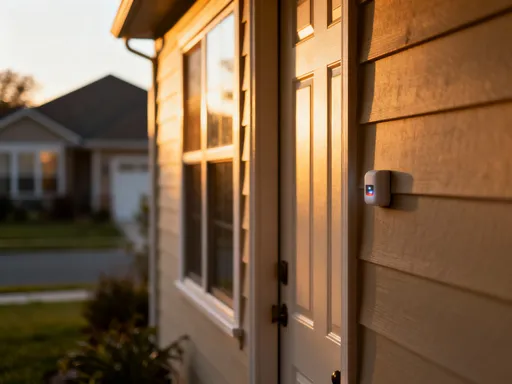
We also linked his evening walk to a front door sensor. When he opens the door at 5 p.m., the system marks it as "routine." If he doesn’t, it waits an hour, then sends a soft reminder to me. Not a crisis—just a chance to reach out. "Hey, skipping the walk today? Need company?" It keeps him independent but never isolated.
The beauty of this system is that it grows with us. We added a water intake tracker—a simple smart bottle that logs how much he drinks. Dehydration is a silent risk for older adults, and this helps us catch it early. Again, no pressure. Just awareness. Over time, these small links—motion, meds, meals, movement—form a safety net so light, it’s almost invisible. But it’s always there.
The Emotional Payoff: Less Worry, More Connection
You know what’s changed most? The quality of our conversations. Before, my calls were full of hidden anxiety. "Are you sure you’re okay? Did you eat? Did you take your pills?" Now, I ask, "How was your walk? Did you see the new flowers at the park?" The fear has faded, and real connection has grown.
I’m not calling to check up—I’m calling to connect. And that’s made all the difference. He doesn’t feel monitored. He feels loved. And I don’t feel guilty for not being there every second. I know the system has my back. It’s like having a quiet partner in caregiving—one that watches when I can’t, so I can be fully present when I do.
There’s a freedom in that. The constant hum of worry that used to live in my chest? It’s quieter now. Not gone—but manageable. I can focus on being his daughter, not his supervisor. We laugh more. Share more. Text photos of the grandkids. Plan weekend visits. The tech didn’t replace our bond. It protected it.
And when he had another small fall last winter—this time in the kitchen—the pendant worked exactly as it should. He pressed the button. I got the alert. My sister was closer, so she went over. He was fine—just startled. But help came fast, because the system worked. That’s the peace I needed. Not perfection. Just knowing.
Starting Where You Are: Simple First Steps That Matter
If you’re sitting there thinking, "This sounds good, but where do I even start?" I get it. You don’t need to buy everything at once. You don’t need to be a tech expert. You just need to care—and take one small step.
Begin with a conversation. Not about fear. Not about "what if you fall." Talk about comfort. About independence. Ask, "What would make your days easier?" Maybe it’s a device that reminds you to take pills. Maybe it’s something that helps you call for help without reaching the phone. Let them lead. When my dad felt in control of the choice, he embraced it.
Try one thing. A wearable alert. A smart pill dispenser. A motion sensor in a key room. Test it for a few weeks. See how it fits. Adjust as needed. You’re not installing a security system—you’re building a safety rhythm, one that grows with your family’s needs.
And remember: this isn’t about preventing every problem. It’s about being ready when one happens. It’s about knowing you’ve done what you can, with love and respect. Peace of mind doesn’t come from watching every moment. It comes from trusting the moments you’re not there.
So if you’ve been saying "They’re fine," and hoping it’s true—know that you’re not alone. And know there’s a better way. Technology, used wisely, isn’t cold. It’s kind. It’s not about replacing presence. It’s about protecting it. And sometimes, the most loving thing we can do is to quietly, gently, make sure they’re really fine—before we have to find out they’re not.