What If Your Commute Could Organize Your Life Without You Lifting a Finger?
Imagine turning your daily ride into the most productive part of your day. No more scrambling to remember tasks, no more mental clutter. What if the time you spend stuck in traffic or on a crowded train could quietly sort your to-do list, remind you about your sister’s birthday, and even help you feel calmer by the time you walk through your front door? This isn’t magic—it’s smarter use of the apps already in your pocket. And the best part? You don’t need to be tech-savvy, wealthy, or even have the latest phone. You just need to see your commute differently. Because what feels like lost time might actually be the key to feeling more in control, more peaceful, and more like yourself.
The Chaos of Modern Life (and Why We’re All Just Barely Keeping Up)
Let’s be honest—most of us are running on mental fumes by midweek. You wake up with a list already spinning in your head: pack lunches, reply to that email, schedule the dentist, call your mom, figure out dinner. By the time you’re in the car or on the bus, your brain feels like a browser with 50 tabs open—none of them fully loading. And yet, we keep going, because what’s the alternative? Falling behind? Letting someone down? That guilt is real. I’ve been there—standing in the grocery store, trying to remember if I needed almond milk or oat, while my phone buzzes with a reminder I set three days ago for a meeting I already missed.
It’s not that we’re bad at managing our lives. It’s that our brains weren’t built to carry all this. We’re expected to remember birthdays, track appointments, manage household logistics, stay on top of work projects, and still find time to breathe—all without a single support system built into our daily rhythm. And the worst part? The stress isn’t just about being busy. It’s the constant low hum of ‘What did I forget?’ that wears us down. That’s why so many of us end up feeling frazzled, forgetful, and emotionally drained, even when we haven’t done anything extraordinary.
But here’s the thing: we’ve been looking for solutions in the wrong places. We buy planners we never open, download apps we forget to use, and attend webinars on productivity that just make us feel worse. What if the answer isn’t about doing more—but about using what we already have, more wisely? What if the moments we think are lost—like our commute—could actually be the quiet heroes of our day? Not by adding more to do, but by gently taking things off our minds.
Your Commute: Wasted Time or Hidden Opportunity?
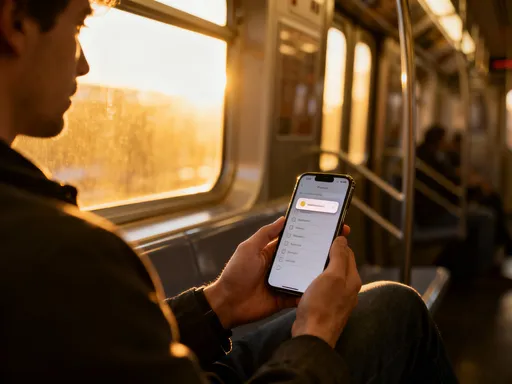
Think about your commute. Maybe it’s 20 minutes in the car, or 45 on the subway. Maybe you drive your kids to school first, or catch an early train before the sun’s up. However it looks, one thing’s true: it’s consistent. It happens every day, at roughly the same time, along the same route. And that consistency is gold. Most of us treat this time as ‘in-between’—something to pass with music, a podcast, or just staring out the window, mentally rehearsing the day ahead. But what if instead of just surviving it, you could let it work for you?
Take Sarah, a mom of two and a part-time graphic designer. Her mornings used to be a blur of spilled cereal, last-minute homework checks, and a rush to drop the kids at school before heading to her co-working space. By the time she got there, she’d already used up all her mental energy. Then she started using her 25-minute drive differently. Instead of scrolling through social media, she began using voice commands to update her task list: ‘Hey phone, remind me to order birthday candles when I get to the office.’ ‘Add dog food to my shopping list.’ ‘Schedule a call with the plumber this week.’
These small actions didn’t take extra time—but they changed everything. By the time she parked, her mind wasn’t racing. It was settling. The commute had become a transition, not just a trip. And the beauty of it? She didn’t need a new app or a fancy device. She just needed to shift her mindset. Because your commute isn’t dead time. It’s one of the few predictable, uninterrupted blocks you have all day. And when you use it with intention, it can become your personal reset button.
How Task Apps Quietly Take Over the Mental Load
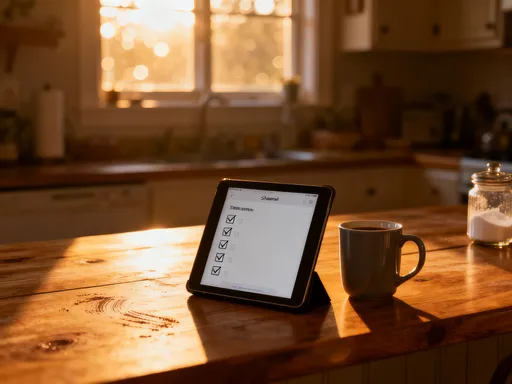
Now, let’s talk about apps—not as cold, technical tools, but as silent helpers that carry the weight you’ve been shouldering alone. Most of us think of task apps as digital to-do lists. But when used well, they’re so much more. They’re like having a thoughtful assistant who knows your habits, anticipates your needs, and speaks up at just the right moment. The magic isn’t in the app itself—it’s in how it integrates into your life without demanding your attention.
Take location-based reminders. You’ve probably seen this feature, but maybe you’ve never tried it. Imagine this: you’re driving home from work, and as you pass the pharmacy, your phone gently pings. ‘Pick up your prescription.’ Not an hour before, not two hours later—right when you’re nearby. No mental effort. No forgotten errand. The app knows where you are and acts accordingly. Or picture this: every time you arrive at the grocery store, your list pops up, already sorted by aisle. You don’t have to open the app. It just shows up, like a helpful note from your past self.
And it’s not just about errands. Calendar apps can sync with traffic data so you get alerts like, ‘Leave 15 minutes early—there’s heavy traffic on your route.’ That’s not just useful. It’s calming. It means you’re not guessing. You’re not stressed about being late. You’re informed, prepared, and in control. These small moments of relief add up. Over time, you start to trust the system. And when you trust it, your brain relaxes. You stop holding everything in your head because you know your phone’s got the backup. That’s the real power of tech—not speed, not flashiness, but peace of mind.
From Overwhelm to Flow: A Real Morning Commute Transformed
Let me walk you through how this looks in real life. Meet Lisa, a middle school teacher and mom of a high schooler. Her mornings used to be chaotic—getting her daughter off to school, rushing to grade papers in the car, and arriving at work feeling like she was already behind. She’d forget small things—like returning a library book or confirming a parent-teacher meeting—and that would nag at her all day.
Then she redesigned her 30-minute drive using just three simple tools. First, she started using voice notes. While stopped at a red light, she’d say, ‘Remind me to email Mr. Thompson about the science fair.’ Her phone would automatically turn that into a task. Second, she set up calendar alerts that factor in real-time traffic. If there’s a delay, her phone tells her, ‘You’ll need to leave 10 minutes earlier tomorrow.’ No surprises. No stress.
But the real game-changer? A five-minute reflection app she uses during the last stretch of her drive. It plays soft music and asks one gentle question: ‘What’s one thing you’re looking forward to today?’ Just that small pause helped her shift from ‘mom mode’ to ‘teacher mode.’ She arrived at school not frazzled, but focused. And when she got home, she had more patience, more presence, more of herself to give. Her commute didn’t get shorter—but it got smarter. And that made all the difference.
Making It Work for You: Simple Setup, Lasting Impact
You might be thinking, ‘This sounds great, but I’m not great with tech.’ I hear you. And here’s the truth: you don’t need to be. This isn’t about mastering every feature or downloading ten new apps. It’s about starting with one small change that fits your life. Think of it like setting up a morning coffee routine. You don’t overhaul everything at once. You start with one step—boiling the water, adding the grounds—and build from there.
So where do you begin? Try this: pick one recurring task you always forget. Maybe it’s calling your sister every Sunday. Open your phone’s reminder app and set a weekly alert for Sunday at 4 p.m. That’s it. One tap. No pressure. Once that feels natural, add a second thing. Maybe set a location-based reminder: ‘When I arrive at the grocery store, remind me to buy olive oil.’ See how easy that is?
Next, experiment with voice input. The next time you’re waiting in the carpool line or sitting at a red light, say out loud, ‘Hey phone, add dog treats to my shopping list.’ Don’t worry about sounding silly. No one’s listening. And over time, you’ll start to notice how these tiny actions free up space in your brain. You won’t have to remember as much. You’ll just live more smoothly. The key is consistency, not perfection. Miss a day? No problem. Just pick it up again tomorrow. This isn’t about being flawless. It’s about feeling lighter.
When Life Gets Loud, Your Phone Knows How to Whisper Back
Here’s what no one talks about enough: the emotional side of using tech this way. It’s not just about getting things done. It’s about how it makes you feel. When your phone reminds you to call your mom on her birthday, it’s not just a task—it’s a moment of connection. When it tells you to leave early because of traffic, it’s not just data—it’s care. These tools, when used with intention, start to feel less like machines and more like quiet allies.
I spoke with a few women who’ve made this shift, and the theme was the same: ‘I feel calmer. I’m less reactive. I’m more present with my family.’ One woman said, ‘I used to dread the drive home because I’d be replaying all the things I forgot. Now, I arrive feeling ready to listen, to cook, to just *be*.’ Another shared, ‘It’s like my phone finally works *for* me, not against me.’
And that’s the shift—when technology stops being a source of distraction and starts being a source of support. It’s not about checking more boxes. It’s about creating space. Space to breathe. Space to think. Space to enjoy the people you love without your mind racing ahead to the next thing. That’s the real win. Because at the end of the day, we don’t want to be more productive robots. We want to be more present humans.
Rethinking Productivity: It’s Not About Doing More, But Feeling Lighter
We’ve been sold a lie about productivity. We think it means doing more, faster, better. But for women managing homes, families, careers, and personal dreams, true productivity isn’t about volume. It’s about sustainability. It’s about making it through the week without burning out. It’s about having energy left at the end of the day to enjoy a cup of tea, read a book, or laugh with your kids.
And that’s where reimagining your commute comes in. When you use those minutes to offload mental clutter, you’re not just organizing your schedule—you’re organizing your peace. You’re telling yourself, ‘You don’t have to carry it all. You’re allowed to let go.’ And that’s powerful. Because every time your phone reminds you of a task, it’s also whispering something deeper: ‘You’re not alone in this. You’ve got help.’
So the next time you’re in the car or on the train, don’t just zone out. Try something different. Use your voice to set one reminder. Check your calendar. Take one breath and ask, ‘What do I need today?’ Let your commute become a bridge—not just from one place to another, but from stress to calm, from overwhelm to clarity. Because the best technology isn’t the one that dazzles us with features. It’s the one that helps us feel more like ourselves, one quiet moment at a time.