Beyond the Call: How Video Chats Keep Us Close When Life Pulls Us Apart
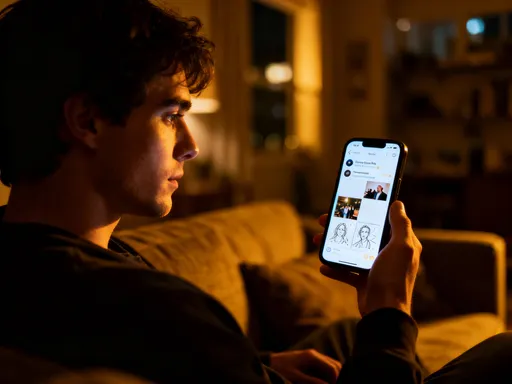
Staring at my phone one quiet evening, I remembered how distant 'hello' used to feel—back when calls ended with static and misunderstandings lingered for days. Then video chat became more than just screens and smiles. It became our shared breakfast table, the couch where we vented after work, the way we held each other’s hands through silence. For me and my partner, it wasn’t about the technology—it was how it quietly rebuilt connection when life got busy. And honestly? It changed everything.
When Distance Finds Its Way In
Life has a way of shifting beneath your feet without warning. One day you're living in the same city, sharing grocery lists and weekend plans, and the next, a job offer or family need pulls one of you across the country. That’s exactly what happened to us. My partner took a position in another state for a fresh start, and while we were both excited, no one warned me how quiet our home would feel without his boots by the door or his laugh filling the kitchen.
At first, we thought regular phone calls would be enough. We’d talk every few days, catch up on the big things—work, friends, what we’d cooked for dinner. But slowly, something felt off. Conversations started to feel like interviews. 'How was your day?' 'Fine.' 'Anything new?' 'Not really.' The words were there, but the warmth wasn’t. I’d hear a sigh or a pause and wonder: Is he stressed? Is he upset with me? But without seeing his face, I couldn’t tell. And so, small silences grew into misunderstandings. I started overthinking texts. A delayed reply felt like distance. A short message felt like coldness. We loved each other deeply, but we were losing the rhythm of being together.
It wasn’t until a friend gently asked, 'Have you tried just seeing each other?' that I realized what we were missing. It wasn’t more talking we needed—it was presence. We needed to witness each other’s lives, not just hear about them. That’s when we gave video chatting a real try, not as a novelty, but as a lifeline. And it turned out to be the difference between surviving the distance and truly living through it.
Finding Each Other Again Through the Screen
The first time we turned on the video call and just… stayed on, something shifted. No agenda. No pressure. Just us, on our screens, sitting in our separate living rooms. I remember laughing because he was still in his work clothes, tie loose, hair messy, and I was in my favorite worn-out sweater, sipping tea. But for the first time in weeks, I felt close to him. I could see the little crinkle around his eyes when he smiled. I noticed how he leaned forward when he was really listening. These tiny things—so easy to miss on a voice call—suddenly mattered.
One night, we decided to cook dinner together—well, 'together' in the video chat sense. He was making pasta; I was roasting vegetables. We kept the call going while we chopped, stirred, and occasionally burned something. We laughed when his sauce splattered the camera lens. I showed him my sad attempt at plating. It wasn’t a fancy date night, but it felt more intimate than any restaurant ever had. We weren’t just sharing a meal—we were sharing the moment, the mess, the joy of being silly together.
And then there was the day his dog jumped into the frame, wagging her tail and barking at me through the screen. I felt a lump in my throat. That dog had been part of our weekend rituals—long walks, lazy naps on the couch. Seeing her again, even digitally, reminded me that our life wasn’t on hold. It was still happening, just in two places at once. The screen wasn’t a barrier anymore. It was a window. And through it, we were learning how to be together again, one small moment at a time.
Building Rituals That Bridge the Miles
What kept us going wasn’t the long weekend calls, but the tiny, daily moments we built into our routine. We started with something simple: morning coffee together. Every weekday at 7:15 a.m., his time, 6:15 a.m., mine, we’d hop on a video call. No makeup, messy buns, pajamas still on. We’d brew our coffee, sit by the window, and just talk—or sometimes, not talk at all. We’d read the news, scroll through emails, or watch the sunrise together. It became our anchor. No matter how chaotic the day got, I knew I’d start it with him.
These rituals didn’t take much time—sometimes just ten or fifteen minutes—but they created a sense of stability. When life felt uncertain, these small acts of showing up reminded us we weren’t alone. We also started having nightly check-ins before bed. No grand conversations, just a quick 'How are you really?' and a goodnight wave. Those moments became sacred. They taught us that love isn’t always in the big declarations—it’s in the quiet consistency of being there, day after day.
We even synced our dinner times once a week. We’d cook the same recipe, light a candle, and eat 'together' over video. It wasn’t the same as holding hands across the table, but it was close. We’d talk about our wins, our worries, the funny things our neighbors did. Over time, these rituals didn’t just help us survive the distance—they helped us grow. We learned how to listen better, how to be patient, how to cherish the ordinary. And all of it was possible because we showed up, not just with our voices, but with our faces, our homes, our real, unfiltered lives.
Turning Everyday Moments Into Shared Experiences
One of the most beautiful things about video chat is how it turns the mundane into something meaningful. It’s not just for scheduled calls or special occasions. It’s for the in-between moments—the ones that make up real life. Like the time I called him while walking the dog and pointed the camera at a rainbow over the park. 'Look!' I said, and he gasped. 'That’s magic,' he whispered. We both stood still for a minute, just watching it together, even though we were miles apart.
Or the day I got a haircut and wanted his opinion. Instead of sending a flat photo, I did a little spin on camera. He laughed and said, 'You look like a 1920s flapper!' and I threw a pillow at the screen. It was silly, but it felt real. These weren’t planned events. They were spontaneous, low-pressure moments that mimicked what couples do when they live together—share the little things without thinking.
Another time, he called me from the airport, tired after a long flight. He didn’t want to talk—just sit on the call while he waited for his bag. So I left the video on, sat on my couch with a book, and let him 'be' with me. He said later that just seeing me there, reading quietly, made him feel calmer. 'It was like coming home,' he said. That’s the power of video chat—it doesn’t always need words. Sometimes, just being seen is enough.
These everyday moments add up. They create a shared timeline, a sense that you’re still part of each other’s world. You’re not just catching up—you’re living alongside each other, even when you’re apart. And that makes all the difference.
Healing Misunderstandings Before They Grow
Let’s be honest—text messages can be landmines. A simple 'Okay' can feel like a door slamming. A delayed reply can spiral into anxiety. I used to overanalyze every message, wondering if I’d said something wrong. And when we argued over the phone, it was easy to misread tone. A sigh could mean tiredness or frustration. A pause could mean thoughtfulness or anger. Without seeing each other, small issues turned into big fights.
Video chat changed that. Now, when something feels off, I can say, 'You seem quiet—everything okay?' and actually see his face. I can tell if he’s stressed, distracted, or just having an off day. And he can do the same for me. Last month, I was upset about something at work and snapped at him over text. He called me immediately on video, not to argue, but to check in. 'Hey,' he said softly, 'you’re not yourself. Talk to me.' And because I could see his concern, not just hear it, I opened up. We talked it through, and the tension melted. No blame. No cold shoulder. Just understanding.
Visual cues make all the difference. A gentle touch to the screen when saying 'I miss you,' a soft smile when saying 'I’m listening,' a raised eyebrow when teasing—these tiny signals rebuild empathy. They help us pause before reacting, to ask instead of assuming. Conflict doesn’t disappear, but it becomes gentler, faster to resolve. We’ve learned that video calls aren’t just for good times—they’re also for healing, for reconnecting when we start to drift.
Keeping Love Alive in the Little Things
Love isn’t just in the grand gestures. It’s in the details—the way he hums in the shower, the way I roll my eyes when he tells the same joke, the way we both sigh when the weather turns rainy. These small, intimate things are what make a relationship feel like home. And when you’re apart, you risk losing them.
Video chat helps preserve those nuances. I still get to see his morning face—puffy eyes, bedhead, and all. He still hears my sleepy 'good morning' voice. We share the little wins: me showing off a plant that finally bloomed, him celebrating a work win with a goofy dance. We send goodnight waves, blow kisses, and sometimes just sit in comfortable silence, watching each other read or fold laundry.
These micro-moments build what I call an emotional bank account. Each smile, each shared laugh, each 'I see you' moment adds a deposit. And when life gets hard, we have reserves to draw from. We don’t need to talk for hours to feel connected. Sometimes, just seeing each other for five minutes is enough to feel grounded.
And here’s the truth: we don’t use video chat to fill every gap. We use it to stay present. To remind each other that even when we’re in different places, we’re still building a life together. The tech doesn’t replace being together—it simply holds space for us until we can be.
Making the Digital Feel Human Again
There’s a myth that technology makes us colder, more distant, less human. But in our experience, the opposite is true. When used with love and intention, video chat doesn’t feel digital at all. It feels warm. It feels like home. It’s not about perfect lighting or clear audio. It’s about authenticity. It’s about showing up as you are—messy hair, tired eyes, in your favorite old shirt.
We’ve had calls where the Wi-Fi cut out mid-sentence. Where the dog barked through an important moment. Where one of us fell asleep on camera. And you know what? Those moments didn’t ruin the connection—they deepened it. Because they were real. They reminded us that we’re not performing for each other. We’re just being together, in whatever way we can.
The best technology, I’ve learned, isn’t the one that impresses us with features. It’s the one that disappears. It fades into the background, so all that’s left is the person you love, right there in front of you—even if it’s through a screen. Video chat didn’t just help us survive the distance. It taught us how to love more intentionally, how to pay attention, how to cherish the ordinary.
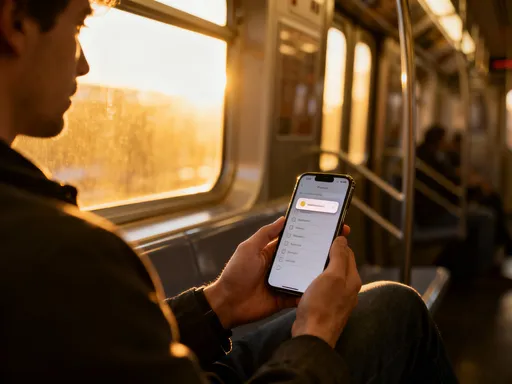
Now, when I look at my phone, I don’t see a device. I see a doorway. A window into his world. A way to stay close when life pulls us apart. And every time I tap that video icon, I’m not just making a call. I’m saying, 'I’m here. I see you. And I’m not going anywhere.'