It’s Not Just About Learning: How Interest Apps Helped Me Build Real Connections
Have you ever downloaded an app to learn something new, only to find yourself scrolling alone in silence? I did—until I discovered how interest-based learning apps quietly transformed not just my skills, but my social life. These tools didn’t just teach me photography or guitar—they connected me with people who cared about the same things. What started as a solo habit became a doorway to friendship, encouragement, and shared joy. That’s when learning truly came alive. It wasn’t just about mastering a chord or capturing the perfect sunset. It was about realizing I wasn’t alone in wanting to grow, create, and explore—even from behind a screen.
The Loneliness Gap in the Digital Learning Age
When I first decided to learn photography, I thought all I needed was a good app and some free time. I downloaded one of the top-rated tutorials, watched the videos, took notes, and even practiced weekly. But after a few weeks, something felt off. I’d take a photo I was proud of, only to save it quietly in my gallery with no one to share it with. There was no feedback, no encouragement, no one to say, “Wow, look at that light!” or “Have you tried editing it this way?”
That’s when I realized: learning in isolation is exhausting. It’s not just about lacking skills—it’s about lacking connection. I wasn’t the only one feeling this way. Studies show that many adults who start online courses drop out not because the material is too hard, but because they feel disconnected. Motivation fades when no one sees your progress. And let’s be honest—celebrating small wins to yourself feels a little silly.
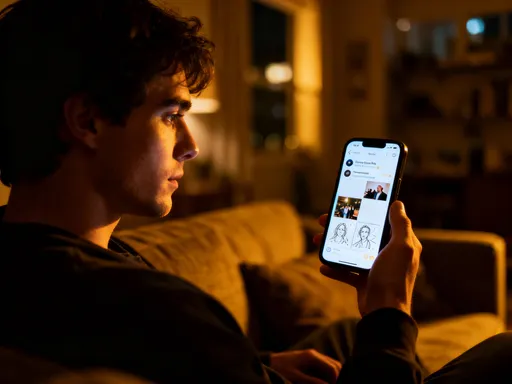
I remember one evening, after spending an hour trying to understand aperture settings, I closed the app and just stared at my phone. I thought, “Who am I doing this for?” It hit me that I wasn’t just learning alone—I was growing in silence. And growth without witness can feel meaningless. That moment sparked a shift. I didn’t just want to learn. I wanted to learn with others. I wanted to belong somewhere, even if it was online.
Discovering Apps That Prioritize People, Not Just Content
So I started looking for something different. Instead of just another tutorial app, I searched for platforms where learning felt more like joining a club than sitting in a classroom. That’s when I found apps that weren’t just about content—they were built around people. One of the first ones I tried was a photography app that encouraged users to post their weekly shots and give feedback to others. At first, I was nervous. Who was I to comment on someone else’s photo? But the app made it easy with gentle prompts like, “What do you love about this image?” and “One thing I’d try differently…”
What surprised me most was how quickly the tone felt supportive, not competitive. No one was showing off. Everyone was learning. I posted my first photo—a simple shot of my coffee cup by the window in morning light. I didn’t expect much. But within hours, I had three thoughtful comments. One woman from Canada said she loved the warm tones. A man in Portugal suggested a slight crop to improve balance. Another user invited me to join a weekly challenge on “Everyday Light.” I clicked “Join” without overthinking it.
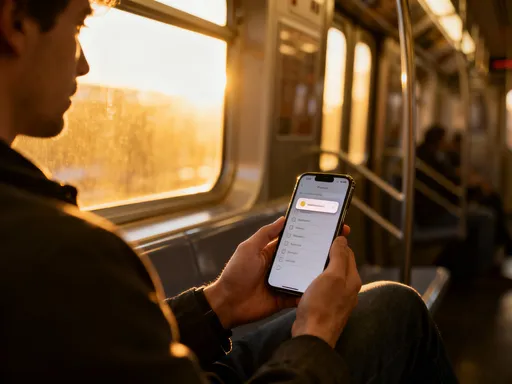
This was different. The app wasn’t just teaching me photography—it was teaching me how to engage, how to give and receive kindness through shared effort. I began to see that the best learning apps don’t hide the human element. They design for it. Features like group challenges, peer reviews, and live feedback sessions turn passive watching into active participation. And when you’re seen by others—even in small ways—it changes how you show up for yourself.
From Passive Watching to Active Belonging: My First Real Connection
The weekly photo challenge became my favorite part of the month. Each week, a new theme: “Shadows,” “Color Contrast,” “Quiet Moments.” I looked forward to it like a mini-event. One week, the theme was “Windows.” I spent the afternoon walking around my neighborhood, trying different angles. I finally settled on a shot of a flower box on a rainy windowpane, the droplets blurring the view outside. I uploaded it, added a short caption about how it reminded me of my grandmother’s kitchen, and went to bed.
The next morning, I woke up to a notification. A woman named Elena from Romania had commented: “This photo made me pause. It’s so quiet and full of memory. Thank you for sharing it.” Her words stopped me. No one had ever described one of my photos as “full of memory” before. I wrote back, thanking her, and asked about her own photo—a stunning shot of a sunlit attic window. We exchanged a few messages that day. Then the next week. Then the next.
What started as a comment turned into a real conversation. We talked about our favorite lenses, our struggles with editing, and eventually, our lives. She was a retired teacher who started photography after her husband passed. I shared how I’d been feeling stuck in my routine before finding this app. There was no pressure, no forced small talk—just a natural flow of sharing and listening. For the first time in a long time, I didn’t feel like a user. I felt like a person—seen, heard, and valued.
How Shared Goals Create Unexpected Friendships
From there, I started exploring other interest-based apps. I joined one for learning beginner guitar, another for Spanish, and even a small group for journaling. What I noticed across all of them was this: when you’re all working toward something, connection happens naturally. You don’t have to awkwardly ask, “So, what do you do?” You already know. You’re all trying to play “Let It Be,” or remember the difference between “ser” and “estar,” or write one honest sentence a day.
In the Spanish app, I met a group of women—Claire from Ireland, Amira from Morocco, and Lina from South Korea—who started a weekly video chat just to practice speaking. At first, we stumbled over words and laughed at our mistakes. But slowly, we got better—not just at Spanish, but at being comfortable with each other. We shared stories about our families, our favorite foods, our dreams. One night, Claire mentioned she was feeling overwhelmed with work. Without hesitation, the rest of us checked in on her the next day. That’s when I realized: we weren’t just language partners. We were friends.
These weren’t flashy connections. No grand declarations or dramatic moments. Just small, consistent interactions—commenting on a post, sending a quick voice note, cheering someone on after a tough lesson. But over time, those tiny moments built something solid. Trust grew because we showed up with honesty, not perfection. We celebrated each other’s progress, no matter how small. And in a world that often feels too fast and too loud, these quiet bonds became a soft place to land.
Designing Your Own Social Learning Experience: Practical Tips
If you’re thinking about trying this, I get it—putting yourself out there can feel scary. I was nervous too. But I’ve learned a few things that made it easier. First, choose the right app. Look for ones that have built-in community features: group challenges, discussion boards, or live events. Apps focused on creative skills, languages, cooking, or wellness tend to have stronger social elements. Read reviews. Try a few. See which one feels warm and welcoming, not just efficient.
Second, start small. You don’t have to post a masterpiece on day one. Share a simple photo, comment on someone else’s work with kindness, or join a challenge just to observe. I once spent two weeks just reading other people’s journal entries before I wrote my own. That’s okay. Belonging isn’t a race.
Third, be real. People connect with honesty, not perfection. When I shared that my guitar practice was frustrating, I got more support than when I posted a clean video of a song. One woman replied, “Same here. I almost quit last week!” That moment of shared struggle meant more than any compliment.
And finally, give it time. Real connection doesn’t happen overnight. But if you keep showing up—even with a simple “I love this!” or “Me too!”—you’ll start to feel it. You’ll recognize familiar names. You’ll look forward to notifications. And one day, you’ll realize you’re not just learning a skill. You’re part of something.
Beyond the Screen: When Online Bonds Turn Into Real-Life Support
Some of my connections have stayed digital, and that’s perfectly fine. But others have grown into something deeper. Elena and I now exchange postcards every few months. She sends me photos from her garden; I send her prints of my latest shots. Last year, she included a handwritten note that said, “Your words always make my day brighter.” I cried a little. It’s incredible how a simple app brought us together across continents.
Claire from the Spanish group visited my city last spring. We met for coffee, and it felt like greeting an old friend. We talked for hours—about the app, yes, but also about life, aging parents, and what we want for the next chapter. She brought me a small jar of Irish honey. I still haven’t opened it, not because I don’t want to, but because it feels too special to use too soon.
And when I went through a tough time last winter—nothing dramatic, just one of those heavy, quiet seasons of life—it was this circle of online friends who held me up. Messages came in from different time zones: “Thinking of you,” “Sending warmth,” “You’re not alone.” They didn’t have all the answers. But they had presence. And sometimes, that’s everything.
Learning with Heart: Why Connection Makes Growth Last
Looking back, I see now that the apps didn’t just teach me new skills. They taught me how to reach out. How to be seen. How to belong. The truth is, we don’t grow in isolation. We grow when we’re witnessed, encouraged, and gently challenged by others who care. Technology often gets blamed for making us lonely. But in my experience, it can also be the bridge back to each other—if we use it with intention.
The best learning doesn’t happen in silence. It happens in the space between effort and encouragement, between trying and being seen. It happens when someone halfway across the world says, “I see what you made, and it matters.” That’s the magic of interest-based apps: they don’t replace real connection. They invite it in.
If you’ve ever started a course and let it fade, not because you weren’t interested, but because you felt alone in it—know this: you don’t have to learn that way. There are spaces where growth and community go hand in hand. Where curiosity leads not just to knowledge, but to kindness. Where clicking “post” can lead to a friendship, a moment of comfort, or a shared laugh across time zones.
So go ahead. Try that app you’ve been eyeing. Post that photo. Comment on someone else’s work. You might just find that what you were really looking for wasn’t just a new skill—but a new sense of connection, one small, brave step at a time.