More than security: How smart locks gave me back time and peace for what matters
You know that moment—rushing out the door, keys in hand, only to wonder: Did I lock the door? I used to circle back three times, wasting time and energy. Since switching to a smart door lock system, that stress vanished. It’s not just about locking doors remotely—it’s about reclaiming mental space, saving time, and feeling more present with my family. This small change quietly transformed how I manage my day and care for my well-being. What started as a simple frustration turned into a deeper realization: sometimes, the smallest tech upgrades can bring the biggest emotional relief.
The Daily Chaos That Started It All
Life as a working parent often feels like a race against the clock. Between school drop-offs, meetings, and grocery runs, I’d constantly worry: Did I lock the door? That lingering doubt triggered unnecessary trips back home, late arrivals, and rising anxiety. One rainy Tuesday, after driving twenty minutes only to return and check the lock, I realized this wasn’t just inconvenient—it was stealing my time and peace. I needed a solution that didn’t add complexity but simplified my reality.
It wasn’t just me, either. My sister, a nurse working night shifts, told me she once came home at 2 a.m., hands full of groceries and a sleeping child, only to realize she’d left her keys inside. She had to call a locksmith and wait an hour in the cold. Another friend, a single mom, admitted she kept a spare key under the mat—until it went missing and she found out her neighbor’s teenager had borrowed it to sneak in and use the bathroom during a party. These stories weren’t rare. They were real, relatable, and frankly, a little scary. We were all doing our best, but our old systems weren’t keeping up with modern life.
What surprised me most was how much mental energy this took. It wasn’t just the physical act of going back—it was the constant hum of worry in the background. Was the door locked? Did I turn off the stove? Did I remember to pack my daughter’s violin for her lesson? Our brains are already stretched thin. Adding avoidable stress to the mix only makes everything harder. I started to see that this wasn’t just about security—it was about emotional bandwidth. And I was running on empty.
Discovering Smart Locks—Not Just a Gadget, But a Relief
I first saw smart locks as fancy tech—cool, but unnecessary. Then a friend shared how hers reduced her daily stress. She’s a teacher, mom of two, and runs a small tutoring business from home. She told me she no longer worries about locking up when she leaves for parent-teacher conferences. She can check from her phone, lock it remotely, and even let her husband in if he forgets his key. That’s when it clicked: this wasn’t about showing off. It was about practical peace.
Curious, I started researching real-life benefits beyond the marketing. What stood out wasn’t the fingerprint scan or app control, but stories of parents, caregivers, and busy professionals regaining time and confidence. One woman shared how her elderly mother, who lives alone, now feels safer because she doesn’t have to fumble with keys. Another said her cleaning service can come and go without her needing to be home or hide keys. These weren’t futuristic fantasies—they were real solutions to everyday problems.
For me, it wasn’t about impressing anyone. It was about solving a real, nagging problem that affected my mood and schedule. I realized I didn’t need more willpower to remember to lock the door—I needed a better system. And that’s when I understood: technology doesn’t have to be flashy to be powerful. Sometimes, the quietest tools make the loudest difference.
How It Actually Saves Me Time—One Morning at a Time
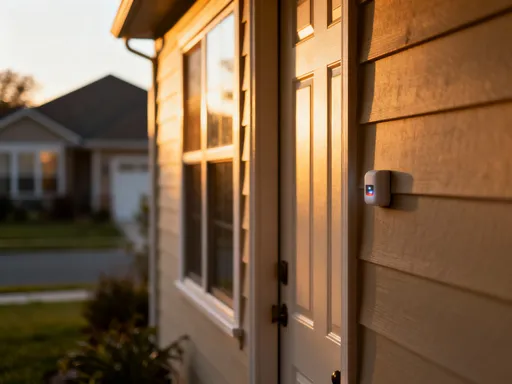
Now, my routine flows differently. With a smart lock, I get instant confirmation my door is locked—no second-guessing. On hectic mornings, that’s priceless. I can leave confidently, knowing I’ll receive alerts if the door opens unexpectedly. Even better: I no longer waste 15–20 minutes doubling back. That time now goes to breakfast with my kids, a quiet coffee, or a few extra minutes of deep breathing before the day begins.
Think about how many mornings you’ve rushed out, only to spend the first hour of your day undoing that rush. I used to arrive at work frazzled, already behind, because I’d gone back home twice. Now, I walk out, tap my phone, and go. That small act—seeing the green checkmark that says “door locked”—gives me a sense of control I didn’t know I was missing. It’s like a tiny win before the day even starts.
And it’s not just mornings. What about those times you’re already at the park, and your partner calls asking if the door is locked? Before, I’d have to either drive back or live with the worry. Now, I open the app, check, and reply in seconds. No drama, no detours. My husband even uses it when he’s out with the kids—he can let the dog walker in without cutting their outing short. It’s these little moments, stacked up over weeks and months, that add up to real time savings. I’ve calculated it: I’ve reclaimed over 15 hours a year just by not going back to check the lock.
Unexpected Support for My Health and Mindset
The time savings are clear, but the mental shift surprised me. Less anxiety means better focus and emotional availability. I’ve noticed I’m calmer, more patient. The constant “what ifs” used to spike my stress hormones. Now, the smart lock acts like a quiet reassurance, helping me stay grounded. It’s not a medical device, but it supports my mental wellness by removing a daily trigger of unease.
Stress isn’t just emotional—it’s physical. When we’re constantly on high alert, our bodies release cortisol, which can lead to fatigue, trouble sleeping, and even weight gain over time. I didn’t realize how much that tiny doubt—Did I lock the door?—was contributing to my overall stress load. Once it was gone, I noticed subtle changes: I slept better, I wasn’t as quick to snap at my kids, and I felt more present during family time. It’s amazing how much mental space we give up to small, repeated worries.
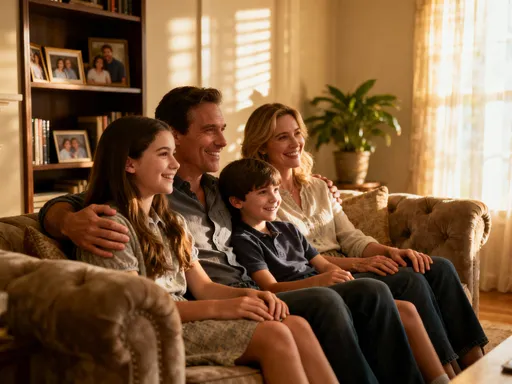
And it’s not just about me. My daughter noticed the change. She said, “Mom, you seem happier in the mornings.” That hit me. I wasn’t just investing in security—I was investing in my family’s emotional climate. A calmer mom means a calmer home. The lock didn’t fix everything, of course, but it removed one layer of noise, one small burden, and that made room for more joy, more connection, more breathing room.
Making It Work for My Whole Family
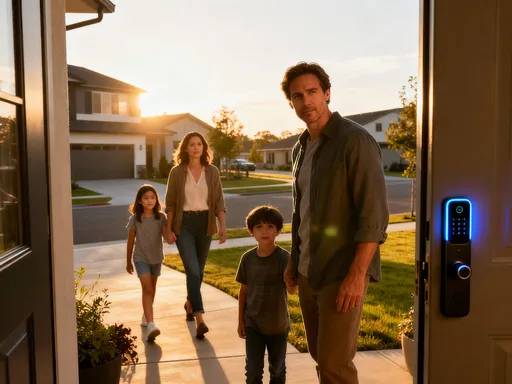
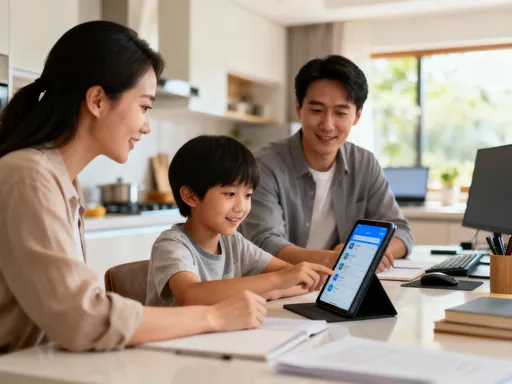
Setting it up was easier than I feared. I gave my partner access through the app, created temporary codes for babysitters, and even set schedules for the cleaning crew. No more hiding keys under mats or worrying about lost copies. My teenager loves using the keypad—feels “grown-up” and responsible. It’s become a tool that brings us more security and trust, not less.
One of the best features? Temporary access codes. When my sister came to visit last month, I created a code that only worked from Friday to Sunday. No need to mail a key or worry about her getting locked out. When the dog trainer comes, she gets a unique code that expires after each session. It’s secure, convenient, and completely in my control. I even set up a code for my parents so they can check on the house when we’re away—without giving them a physical key they might lose.
And for my teenager, it’s been a confidence booster. She used to forget her keys all the time. Now, she enters her code and walks in—no more frantic calls from the porch. She says it makes her feel independent, and honestly, it gives me peace of mind knowing she’s not sitting outside waiting for someone to come home. We’ve even started using the lock’s activity log to see who came and went—great for checking in without being intrusive.
Simple Steps to Get Started—No Tech Degree Needed
If you’re hesitant, start small. Choose a lock that fits your current door and works with your smartphone. Many brands offer step-by-step video guides. I installed mine in under 30 minutes. Then test it with someone you trust—have them try entering with and without permission. Once it clicks, you’ll wonder how you lived without it.
First, check your door type. Most smart locks fit standard deadbolts, but it’s worth measuring your door’s backset (that’s the distance from the edge of the door to the center of the knob). Most brands list compatibility on their websites. Next, decide how you want to unlock it: keypad, fingerprint, smartphone app, or voice assistant like Alexa or Google Assistant. I chose one with a keypad and app control—simple, reliable, and works even if my phone dies.
Installation was straightforward. I removed the old deadbolt, attached the new one, connected the interior module, and synced it with the app. The whole thing took less time than assembling a new bookshelf. The app walked me through pairing, setting up codes, and customizing alerts. I tested it with my husband that evening—he tried to open it without the code, and it stayed locked. Then I gave him access through the app, and he walked right in. That moment—seeing it work—was so satisfying.
Don’t feel like you need all the features at once. Start with basic remote locking and unlocking. Once you’re comfortable, explore temporary codes or activity logs. And if you’re not tech-savvy, that’s okay. Many brands have customer support teams that can walk you through setup over the phone. You don’t need to be an expert—just someone who wants a little more ease in your day.
More Than a Lock—It’s Peace of Mind Built Into Everyday Life
Looking back, this wasn’t just an upgrade to my front door—it was an upgrade to my daily life. The time, calm, and confidence I’ve gained are real. It’s a small investment that keeps giving: more moments with loved ones, less wasted energy, and a quieter mind. Technology, at its best, should fade into the background—working for you, so you can focus on what truly matters.
I used to think smart home gadgets were for people with too much time or money. Now I see they’re for people who want to protect their time and peace. This lock didn’t just secure my home—it secured my sanity. It’s not about living in a futuristic house. It’s about living with a little more ease, a little more trust, and a lot more presence.
So if you’re still double-checking the lock, driving back, or hiding keys under the mat, I get it. I was there. But I also know there’s another way. One that gives you back minutes, reduces stress, and helps you feel more in control. It’s not magic—it’s just smart tech, thoughtfully used. And sometimes, that’s exactly what we need to create a home that feels truly safe, not just physically, but emotionally too.