Beyond To-Do Lists: How Workday Apps Quietly Strengthened Our Family Rhythm
Life moves fast, and between job demands and family routines, it’s easy to feel stretched thin. I used to juggle tasks in my head, only to forget birthdays or miss connecting with my kids after school. Then I started using simple workday tools not just for work—but to anchor our family moments. This isn’t about productivity for the sake of checking boxes. It’s about reclaiming time, reducing mental clutter, and showing up more fully where it matters most. What began as a small experiment with apps I already used at work quietly transformed how we live, breathe, and connect at home.
The Overwhelm of "Keeping It All Together"
There was a Tuesday—just an ordinary one, really—when everything unraveled over something small. My daughter had a school performance in the evening, and I’d promised to be there with her favorite purple scarf. I forgot. Not the event, not the time, but the one little thing that would’ve made her feel seen. I showed up empty-handed, rushing in after a last-minute meeting, and the look on her face—the quiet disappointment—hit me harder than any missed deadline ever had. It wasn’t about the scarf. It was about the weight of everything I was trying to hold at once: work reports, grocery lists, dentist appointments, after-school pickups, and the emotional labor of remembering what mattered to each person in my family. I carried it all in my head, like a mental juggling act with too many balls in the air. And every time one dropped, it wasn’t just a forgotten item—it was a moment of connection lost, a promise broken, a silent message that I wasn’t fully present.
That night, I sat at the kitchen table, staring at a fridge covered in sticky notes, each one peeling at the edges, some smudged with fingerprints, others already outdated. One said "PTA meeting - Thursday" but the meeting had already happened. Another reminded me to "buy batteries" for a toy we’d long since given away. The notes were supposed to help, but instead, they reflected the chaos I felt inside. I realized I wasn’t managing my time—I was surviving it. The emotional toll of this constant mental tracking is real, and so many of us carry it quietly. We don’t talk about how exhausting it is to remember who needs new shoes, when the dog’s shot is due, or which teacher prefers email versus paper notes. We just push through, hoping we won’t drop another ball. But the truth is, we weren’t built to remember everything. Our brains aren’t storage units. They’re meant for thinking, feeling, creating—not for serving as a cluttered filing cabinet for grocery lists and permission slips.
Discovering the Unexpected Power of Workday Tools at Home
The shift started at work. I was using a simple task management app—nothing fancy, just a digital board where my team could track projects, assign tasks, and mark progress. It kept us aligned, reduced misunderstandings, and gave me a sense of control over my day. One Friday morning, as I stared at my to-do list—work items on one side, personal notes scribbled at the bottom—I had a quiet thought: What if I used this for home too? Not to turn my family into a corporate project, but to bring the same clarity and calm I felt at work into my personal life. So I created a new board, separate from work, and called it "Family Flow." I added a few simple things: "Plan weekend hike," "Order birthday cake," "Schedule vet visit." Just seeing them listed—organized, visible, not floating in my mind—felt like a deep breath after holding it for months.
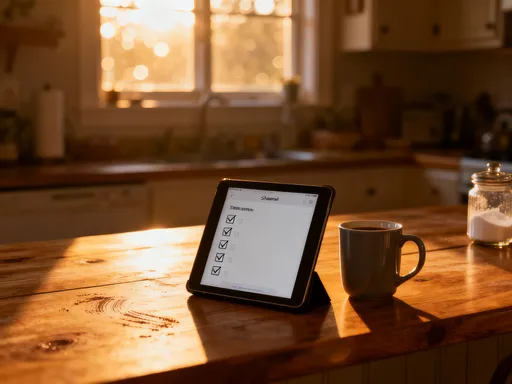
The first real test came that weekend. We were planning a family outing to a local nature reserve, but in the past, these trips often started with chaos—someone forgot snacks, another didn’t know what time to be ready, and I ended up stressed and snapping at everyone. This time, I added each step to the board: "Pack lunch by Friday night," "Charge phone for photos," "Check weather in the morning." I shared it with my partner, and even showed the kids the list on the tablet. "Hey, can you make sure your water bottle is full? It’s on the list," I said to my son. He nodded, actually checked it later, and even moved the task to "Done." The trip wasn’t perfect—we took a wrong turn and the picnic got a little muddy—but for the first time in a long while, I wasn’t anxious. I was present. I watched my daughter skip ahead on the trail, laughing, and I wasn’t mentally calculating whether I’d remembered the sunscreen. That’s when it hit me: structure wasn’t the enemy of spontaneity. It was its protector. By handling the logistics quietly in the background, the app gave us space to just be together.
From Work Tasks to Family Rhythms: Redefining Efficiency
We often think of efficiency as doing more in less time—folding laundry while on a work call, answering emails during dinner, or planning next week’s meals while helping with homework. But when I brought workday tools home, I realized efficiency could mean something deeper: doing what matters, with your full attention. Instead of racing through tasks, I began using recurring reminders for the things that truly mattered. "Family check-in every Sunday night," I set up in the calendar. "Meal prep every Saturday morning." "Call Mom every other Thursday." These weren’t about squeezing more in. They were about protecting the moments I didn’t want to lose.
One Sunday, after our check-in—where we shared highs and lows of the week, and planned fun things for the days ahead—my partner looked at me and said, "I feel like we’re finally on the same page." That simple sentence carried so much. We weren’t just sharing a house or a schedule. We were sharing a rhythm. The tools didn’t replace our connection—they made space for it. By automating the small decisions—what’s for dinner, who’s picking up the kids, when’s the best time to run errands—we freed up mental energy for the things that couldn’t be automated: listening, laughing, holding hands during tough talks. Efficiency, in this new sense, wasn’t cold or mechanical. It was warm, intentional, and deeply human. It meant I could say "yes" to my daughter’s request to read an extra bedtime story, not because I had more time, but because I wasn’t using all my mental bandwidth to remember if I’d paid the electric bill.
Shared Tasks, Shared Ownership: Building Team Habits
One of the biggest shifts came when I stopped assigning tasks in my head and started using the shared list openly. I used to say things like, "Don’t forget your gym clothes," or "Can you please set the table?"—only to hear, "You didn’t tell me!" or "I thought you were doing it." There was friction, frustration, and so much nagging. Then I added tasks directly to the family board: "Alex – pack soccer gear by 4 PM," "Lily – help set table before dinner," "Dad – refill kids’ water bottles." At first, it felt strange—like I was turning parenting into a project manager role. But within days, something beautiful happened. My son started checking the list on his own. "Mom, I already packed my cleats! Look, I moved it to ‘Done’!" he said one afternoon, pointing at the screen with pride. My daughter began reminding her brother, "Hey, did you check the list?"—not in a bossy way, but with a sense of shared responsibility.
The emotional labor of managing everything—once almost entirely on my shoulders—began to lighten. It wasn’t that the kids were doing more (though they were). It was that the weight of remembering was now shared. The list became a neutral third party—no yelling, no nagging, no blame. If something wasn’t done, it wasn’t because someone was being lazy; it was because the reminder wasn’t clear or the task wasn’t visible. We could adjust together. And when my partner saw he had "Plan date night" on his list, he actually did it—without me hinting for weeks. These small shifts built trust. Our home didn’t become a corporate office. It became a team. And the kids? They didn’t feel controlled. They felt included. They could see their role in the family, and that gave them confidence. One evening, my daughter said, "I like our list. It helps me remember to be helpful." That, right there, was worth every click.
Calm in the Chaos: Real-Time Coordination That Works
Life doesn’t follow a perfect schedule. Meetings run late. Rain cancels outdoor plans. Kids get sick on school days. In the past, these disruptions sent me into a spiral. I’d call home, leave frantic voicemails, or try to text five people at once. The stress wasn’t just about the change—it was about the fear of miscommunication. Would my partner know to pick up the kids? Would dinner be ruined? Would someone feel forgotten?
Now, when something changes, I update the shared calendar or task list, and everyone sees it instantly. Last month, I had a work call that ran 45 minutes late. Instead of calling and disrupting everyone, I updated the dinner prep task: "Start cooking at 6:45 instead of 6 PM." My partner saw it while checking the list, adjusted the kids’ homework time, and even sent a quick emoji to let me know it was handled. I walked in the door to the smell of garlic and laughter, not tension. No one had been left wondering. No one felt abandoned. The app didn’t fix the delay—but it protected our peace. It turned a potential stress point into a smooth transition. And when my daughter had a last-minute art show at school, I added it to the calendar, and my mother-in-law—who’s on the family group—saw it and showed up with flowers. "I didn’t want to miss it," she said. "It was right there on the schedule." That moment reminded me: these tools aren’t just about efficiency. They’re about inclusion. They keep everyone connected, even when life gets messy.
Small Wins, Big Shifts: Tracking What Truly Gets Done
One feature I hadn’t expected to love was the progress tracker. At work, it’s used to measure project milestones. At home, I started using it for small, meaningful routines. I created a simple checklist: "Family dinner together – 5 nights a week." Each night we sat down without screens, I marked it complete. At first, we only hit two or three nights. But seeing the streak grow—three, then four, then five—created a quiet sense of pride. We weren’t chasing perfection. We were celebrating consistency. One week, we made it five nights in a row. "We did it!" my son shouted, jumping up to high-five me. It wasn’t about the meals. It was about the connection—the chance to talk, to laugh, to hear about their days.
This visual tracking changed our mindset. Instead of focusing on what we didn’t do—"We never have time for family game night"—we began noticing what we were doing. We celebrated small wins: three weeks of packed lunches, two months of no missed school forms, one full season of attending every soccer game. These weren’t grand achievements, but they mattered. They built momentum. And over time, I noticed something deeper: I stopped feeling like I was failing. I started feeling like we were growing. The tracker didn’t shame us for missing a day. It encouraged us to try again. It turned our family rhythm from something we struggled to maintain into something we could see, celebrate, and strengthen.
Making It Your Own: Simple Steps to Start
If you’re feeling overwhelmed, I want you to know this: you don’t need a fancy system. You don’t need to overhaul everything at once. Start small. Pick one thing that’s been slipping—dinner planning, school forms, family time—and try using a simple tool you already know. Maybe it’s the calendar app on your phone. Maybe it’s a shared task list like the one I use. The key isn’t the tech. It’s the intention behind it. Ask yourself: what would give me more breathing room? What small change would make me feel more present with my family?
Invite your partner or kids to join—not because they have to, but because it’s easier together. Keep the tone light. If your son laughs and says, "You’re putting ‘brush teeth’ on the list?" laugh with him. Let it be playful. The goal isn’t digital perfection. It’s less stress, more connection, and more moments where you look around and think, This is good. We’re here. We’re together. I still forget things. We still have chaotic days. But now, when the scarf goes missing, it’s not because I was too busy to care. It’s just a scarf. And I’m still there, fully, for the things that matter. That’s the gift these tools gave me—not more control, but more presence. And that, I’ve learned, is the truest kind of efficiency.