Tired of Losing Track of Your Creative Ideas? How Messaging Apps Keep My Projects Alive
Ever had a brilliant idea vanish before you could use it? I used to lose inspiration all the time—until I started using the instant messaging tools I already had every day. These apps aren’t just for chatting; they’ve become my go-to space for capturing ideas, organizing projects, and collaborating with ease. In this article, I’ll share how simple message threads transformed my creative process—no new apps, no steep learning curves, just smarter use of what’s already in your pocket. It’s not about being tech-savvy. It’s about working with your life, not against it. And honestly, once I made this shift, I stopped fearing forgotten sparks. Instead, I started trusting that my best ideas would find their way to me—right where I already was.
The Moment Everything Changed: When a Text Saved My Project
It was a Tuesday afternoon, and I was juggling school drop-offs, a work deadline, and a half-baked idea for a handmade gift I wanted to make for my sister’s birthday. The concept had been floating in my mind for days—something with pressed flowers and recycled paper, a little book of memories. But every time I tried to focus on it, something else pulled me away. That afternoon, while waiting in the carpool line, I suddenly saw it all: the cover design, the colors, even the quote I wanted on the first page. My heart jumped. This was it. But my hands were on the wheel, my phone was in my cup holder, and I knew if I didn’t capture it now, it would be gone by the time I parked.
So I did the simplest thing—I opened my messaging app and sent a voice note to my best friend. 'Hey, quick idea—book with pressed flowers, handmade paper, maybe gold foil accents. Start with a quote from that poem she loves. Use old photos from our trip to the coast. Call it 'Moments in Bloom.' Send this back to me later if you remember!' I hit send and exhaled. I didn’t write it down. I didn’t open a notes app. I didn’t even type. I just spoke, and it was saved. That tiny 22-second message became the seed of a project I actually finished—and one my sister still keeps on her nightstand.
What surprised me most wasn’t just that the idea stayed safe. It was how relieved I felt. For years, I’d carried the quiet guilt of abandoned ideas—recipes I never tried, craft projects sketched on napkins and lost, journal prompts I thought of in the shower and forgot by breakfast. I thought I needed a better system. What I really needed was a simpler one. That voice note worked because it asked nothing of me except a moment of honesty. No setup. No formatting. Just speak and save. And because it lived in a chat—somewhere I already checked 20 times a day—it stayed visible, alive, and easy to return to. That’s when I realized: the best creative tool isn’t the fanciest app. It’s the one you already love and use without thinking.
Why Messaging Apps Are the Most Underused Creative Tools
We all have them. We all use them. And yet, most of us never think to use our messaging apps for anything beyond conversation. We download note-taking tools with beautiful interfaces, spend hours organizing folders, and still end up scribbling ideas on grocery receipts. Why? Because those apps require intention. You have to remember to open them. You have to switch mental gears. But messaging apps? They’re already open. They’re already warm. They’re where your attention naturally flows throughout the day.
Think about it. When inspiration strikes—while you’re folding laundry, walking the dog, or stirring dinner—how fast can you act? With a notes app, you might need to unlock your phone, find the app, create a new entry, and start typing. By then, the magic may have slipped away. But with messaging, it’s one tap. You’re already there. You can send a quick text, snap a photo of a sketch, or record a voice memo in the time it takes to say, 'Wait, I just thought of something.' That speed matters. Creativity isn’t always neat. It’s messy, sudden, and emotional. And messaging apps match that rhythm perfectly.
What makes them even more powerful is their flexibility. You can send a voice note with the excitement still in your voice. You can forward an article that sparked an idea. You can drop in a photo of a color palette you saw on a walk. You can even use emoji to tag moods or priorities—💡 for ideas, 🎨 for visuals, ✅ for done. These aren’t just messages. They’re building blocks. And because they’re in a familiar space, you don’t feel the pressure of 'doing it right.' There’s no blank page staring back at you. No judgment. Just a conversation—with yourself, with a friend, with your future self.
So why do we overlook this? Maybe because messaging feels too casual. Too personal. We associate productivity with structure, with checklists and calendars. But real creativity often starts in the soft spaces—between thoughts, in whispers, in half-formed hunches. And that’s exactly where messaging apps shine. They don’t demand perfection. They welcome the imperfect, the spontaneous, the human. Once I stopped seeing them as just for chat, I started seeing them for what they really are: quiet allies in the creative journey.
Building a Personal Idea Hub Inside Your Chat List
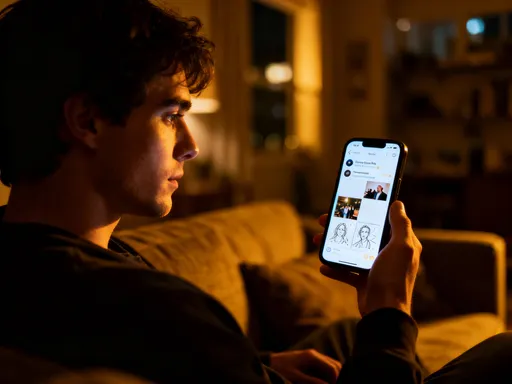
Here’s a simple trick that changed everything for me: I created a 'Notes to Self' chat. On most messaging platforms, you can start a conversation with yourself—yes, really. It sounds a little funny at first, but it’s one of the most practical things I’ve ever done. Now, whenever an idea pops up, I send it there. A voice note about a new recipe. A photo of a fabric I liked at the store. A quick text: 'Try lavender and honey in the next batch of soap.' It’s not fancy. It’s not organized by color or category. But it’s all in one place, and I can search it anytime.
If your app doesn’t allow self-chats, no problem. Use a trusted friend as your idea partner. I have a friend who does this with me—we’re each other’s 'idea inbox.' We don’t reply to every message. We don’t judge. We just receive. And every few days, we send back the ones that feel important. It’s like having a creative mirror. And the best part? Because it’s a real conversation, it feels safe. There’s warmth in it. It’s not a cold digital notebook. It’s a space where ideas can breathe, even when they’re not fully formed.
Once your messages start piling up, use the tools already built in. Pin the ones you want to keep close. On many apps, you can long-press a message and choose 'Pin'—it stays at the top of the chat, so you see it every time you open it. I have one pinned that says, 'Start a garden journal with pressed leaves and weekly notes.' It’s been there for months, gently reminding me. I haven’t done it yet, but I will—because it’s still alive in my mind, thanks to that little pin.
You can also use media folders. Most messaging apps automatically group photos, videos, and voice messages. So if you’re working on a vision board, just keep sending images—paint swatches, furniture styles, nature shots. Later, you can scroll through that gallery and see the pattern emerge. I did this when redecorating my living room, and it was amazing to see how my taste evolved over two weeks of random snaps. No pressure. No planning. Just collecting. And when I was ready, the direction was already there.
Collaborating Without the Chaos: Group Chats That Actually Work
Let’s be honest—group chats can be overwhelming. They’re where plans go to die under a pile of memes and 'LOL' messages. But they don’t have to be. With a little intention, a group chat can become a powerful collaboration space—one that’s lighter than email, faster than meetings, and more personal than project management software.
The key? Treat it like a real workspace. Start by renaming the chat with a clear purpose. Instead of 'Mom’s Group,' call it 'Spring Fundraiser Planning' or 'Book Club Decor Project.' That small shift changes the energy. Everyone knows what the space is for. Then, use replies to assign small tasks. If someone says, 'We need banners,' you can reply directly to that message and add, 'I’ll draft two designs by Thursday.' That creates a clear thread and avoids confusion. No more scrolling back to find who said what.
Emoji reactions are another secret weapon. Instead of cluttering the chat with 'Got it!' or 'Thanks!', use a simple ✅ or 👍. It’s fast, clean, and universally understood. I once helped organize a neighborhood art walk using just one group chat. We used 🎨 for new display ideas, ❓ for questions, and 🛠️ for tasks in progress. It wasn’t perfect, but it worked. And the best part? We all felt involved without feeling burdened. There were no formal meetings. No lengthy emails. Just a few messages a day, moving things forward.
What makes this approach so effective is that it fits into real life. People don’t have to learn a new tool. They don’t have to log in or remember passwords. They’re already in the chat. And because it feels informal, people are more likely to speak up, share ideas, and take small actions. It’s not about control. It’s about flow. And when collaboration feels easy, it actually happens.
Voice Notes, Photos, and Quick Clips: The Real-Time Creative Diary
Sometimes, words on a screen don’t capture the full feeling of an idea. But your voice does. There’s something powerful about hearing yourself say, 'This could be amazing,' with real excitement in your tone. Voice notes preserve that energy—the pause, the breath, the little laugh when you realize how good the idea is. When I listen back, it’s not just information. It’s inspiration all over again.
I use voice notes for everything. A quick recipe idea while cooking. A reminder to research a craft technique. Even a description of a dream that sparked a story. One morning, I woke up with a clear image of a quilt design—geometric patterns in soft blues and grays. I recorded it while still in bed: 'Triangles, like mountain peaks. Light to dark gradient. Use linen for texture.' It was messy. I yawned in the middle. But it was enough. Two weeks later, I started that quilt, and it’s now my favorite piece.
Photos are just as valuable. I don’t wait to take the perfect shot. I snap inspiration wherever I find it—a flower arrangement at the market, a child’s drawing on the fridge, a sunset through the trees. These aren’t just images. They’re emotional bookmarks. They pull me back into the feeling I had when I saw them. And when I’m stuck, scrolling through these little moments often sparks something new.
And don’t forget quick video clips. A 10-second pan across a craft table. A time-lapse of coffee being poured into a beautiful mug. These micro-moments hold creative potential. I once sent a 7-second clip of rain on a window, and it inspired a whole series of watercolor paintings. The point isn’t to create content. It’s to stay connected to your own curiosity. When you document your world this way, you train yourself to notice. And when you notice, ideas follow.
Staying on Track Without a Single To-Do List
I used to rely on to-do lists. Pretty ones. Color-coded ones. And yet, I always felt behind. The lists grew longer, and I felt heavier. Then I realized: the problem wasn’t my productivity. It was the pressure. A to-do list feels like a test. But creativity thrives in kindness, not pressure.
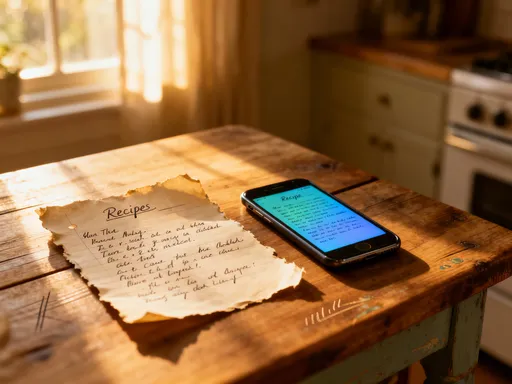
Now, I use messages as gentle reminders. If I see something I want to try—like a new bread recipe—I forward the article to my 'Notes to Self' chat with a simple note: 'Try this weekend?' No checkbox. No deadline. Just an invitation. Sometimes I do it. Sometimes I don’t. And that’s okay. The idea stays there, waiting, without guilt.
I also use friends as soft accountability partners. If I say, 'I’m going to start that knitting project,' and then send a message like, 'Remind me next week if you don’t hear from me,' it creates a kind of loving pressure. It’s not about failing or succeeding. It’s about staying connected to what matters. And when a friend actually follows up with a 'Hey, how’s that blanket coming?' it feels like care, not criticism.
This method works because it’s human. It doesn’t demand perfection. It allows for rhythm—some days busy, some days slow. And because the reminders live in a space I already trust, I’m more likely to act on them. I’m not fighting a system. I’m working with my life. And that makes all the difference.
From Chat to Creation: Turning Messages Into Real Projects
All these messages—voice notes, photos, quick texts—they’re not the end. They’re the beginning. The real magic happens when you take that scattered energy and shape it into something whole. And it’s easier than you think.
Once a week, I spend 20 minutes reviewing my idea chats. I scroll through, listen to voice notes, look at photos. I don’t force anything. I just observe. And slowly, patterns emerge. Maybe three different voice notes all mention nature-inspired crafts. Or several photos feature the same color—soft sage green. That’s my signal. That’s where my energy is.
Then, I pick one thread to follow. I open a new document—yes, sometimes I still use those—and start pulling from the messages. I copy the voice note transcript. I describe the photos. I list the ideas. And piece by piece, a project takes shape. It’s not about copying. It’s about curating. My favorite example? A series of handmade candles I created after months of random messages about scents, jars, and wick types. I never planned it. But the messages did the planning for me.
The joy of holding a finished project that started as a midnight text is hard to describe. It’s not just pride. It’s peace. It’s proof that I can trust myself. That my ideas matter. That I don’t need a perfect system to create. I just need to stay connected—to my thoughts, my feelings, and the simple tools I already love.
Technology doesn’t have to be complicated to be powerful. Sometimes, the most transformative tools are the ones we already hold in our hands. When we use them with intention, with warmth, with a little creativity, they become more than apps. They become companions. They help us remember. They help us grow. And they remind us, again and again, that we are capable of beautiful things—simply because we’re paying attention.