We can’t hang out this weekend was my kids’ reply: How a family planning app gave us back our weekends
Raising kids in a busy world means constant juggling—school runs, work deadlines, and the ever-elusive family time. I kept hearing "We can’t hang out" from my own children, not because they didn’t want to, but because plans fell apart. Sound familiar? I felt disconnected, overwhelmed, and guilty. Then I discovered a simple tech tool that didn’t just organize our weekends—it brought us closer. This isn’t about fancy features. It’s about real life. And how one small change made family time finally possible again.
The Weekend That Never Happened
It started with the best intentions. I had circled the date on the kitchen calendar two weeks in advance: Saturday, 10 a.m., family hike at the nature trail, followed by lunch at the little pancake house near the park. I’d even packed the picnic backpack the night before—snacks, water bottles, sunscreen, the works. The kids had seemed excited when I told them, "This is going to be fun—just us, fresh air, and no screens!"
But by Saturday morning, everything unraveled. My daughter remembered a science project due Monday—"I thought it was next week!"—and needed help printing charts. My son had agreed to a last-minute soccer practice with his friend’s team, something his dad hadn’t told me about. And my husband? He was already on a work call with clients in another time zone. I stood in the kitchen, staring at the backpack like it was a relic from a simpler time. The disappointment wasn’t just about missing a hike. It was the look on my daughter’s face when she said, "We can’t hang out this weekend, Mom." Not "we don’t want to"—but "we can’t." As if we were strangers trying to schedule a meeting, not a family trying to connect.
That quiet moment hit me hard. I wasn’t failing because I didn’t care. I was failing because we weren’t on the same page. And in that stillness, I realized something had to change—not just how we planned, but how we communicated. Because family time shouldn’t feel like a negotiation or a casualty of busy lives. It should feel like coming home.
When "Let’s Get Together" Starts with a Group Text
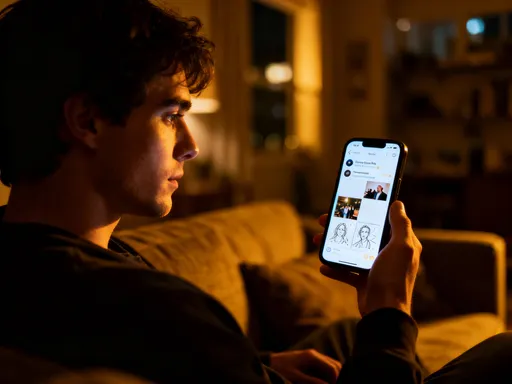
Let’s be honest—how many of us actually just “show up” at each other’s houses anymore? I remember growing up, my cousins would knock on the door after school, jackets half-on, yelling, "Your mom making cookies? Can we stay?" Spontaneity was built into the rhythm of life. But now? The closest we get is a group text that reads: "Is anyone free this weekend?" followed by a chain of emojis, question marks, and conflicting time zones.
And it’s not anyone’s fault. Life has just gotten more complicated. Between remote work, extracurriculars, sports schedules, and after-school clubs, everyone’s running on a different clock. I used to think technology was the reason we were drifting apart—endless notifications, kids glued to tablets, parents scrolling through emails at dinner. But what if the same tools pulling us away could actually help pull us back together? What if the answer wasn’t to unplug completely, but to use tech in a way that serves our family’s rhythm instead of disrupting it?
I started to wonder: could a simple app help us reclaim the joy of being together? Not by replacing real connection, but by removing the friction that keeps us from it? That’s when I began looking for something different—not another reminder app or to-do list, but a tool that could speak our family’s language. One that could turn chaos into clarity, without turning us into robots.
Discovering the App That Changed Everything
I won’t pretend I was optimistic. I’d tried shared calendars before—clunky, confusing, and always out of date. My son would forget to check it. My husband would add things late. I’d end up chasing everyone like a personal assistant. So when a friend mentioned she used a family planning app that “just works,” I rolled my eyes. Another digital promise that wouldn’t deliver.
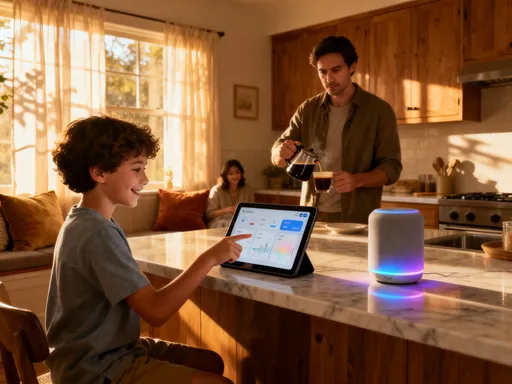
But desperation made me curious. I downloaded it one Sunday night while folding laundry. The setup took less than ten minutes. I created a family group, added everyone (with their permission—no sneaky access!), and synced it with our existing calendars. The interface was clean, colorful, and intuitive—no tech manual needed. Each person had their own color-coded events. I added the weekly grocery run, piano lessons, my work meetings, and even “Mom’s yoga class” so the kids knew when I’d be offline.
The real test came the following weekend. I posted a plan: Saturday morning bike ride, then ice cream at the shop by the library. I tagged everyone, added a little emoji of a smiling sun, and hit “send.” Then I waited. No reminders. No nagging. Just trust.
And guess what? They showed up. My son had his helmet ready. My daughter brought water bottles. My husband even put his phone on “do not disturb.” We rode through the park, laughed at squirrels, and shared a double-scoop cone while sitting on a bench. It wasn’t a grand adventure. But it was ours. And for the first time in months, no one said, "We can’t hang out." That night, I realized the app wasn’t the magic. The magic was what it made possible: showing up, together, without the stress.
How Shared Calendars Became Our Family Language
What started as a scheduling tool slowly became something deeper. The app wasn’t just telling us where to be—it was helping us listen to each other. My daughter began adding her drama club rehearsals before I even asked. My son started marking “homework blocks” so we knew when not to interrupt. My husband began tagging me with little notes like “Meeting ends at 4—can I pick up the kids?”
But the real shift happened when we started using the app to communicate feelings, not just facts. One evening, my daughter added an event titled “Need to talk after school?” with a yellow exclamation mark. I didn’t panic—because I could see it in context. She wasn’t avoiding me; she was asking for space and time. We sat together that afternoon, and she opened up about a friendship struggle. The app didn’t fix it, but it gave her a safe way to say, "I need you," without having to find the words in the middle of a busy day.
We also started using voice notes—quick, warm messages like "Good luck on your math test!" or "Proud of you for finishing your project." No pressure to respond, just love on the line. The calendar became our shared heartbeat—a place where logistics and love lived side by side. And slowly, the question changed from "Are you free?" to "Are we together?" That shift—from availability to intention—was everything.
From Chaos to Calm: The Ripple Effect at Home and Work
I didn’t expect the app to change more than our weekends. But it did. Mornings became smoother because we could see who had early practice or a presentation. No more last-minute scrambles for permission slips or forgotten instruments. I stopped getting frantic texts at 7:45 a.m. asking, "Did you sign my field trip form?"
At school events, I actually showed up on time—because I could set reminders that pinged me an hour before pickup. I saw the look on my son’s face when I walked into his science fair with a big smile and a notebook to write down his project title. He didn’t say much, but later, he told his dad, "Mom remembered. She was there." Those words stayed with me.
And here’s the unexpected part: my work life improved too. When home feels stable, your mind isn’t constantly racing ahead, worrying about what you’re missing. I stopped checking my phone every five minutes during meetings, wondering if the kids were stranded at soccer practice. I could focus, contribute, and even leave on time because I knew the evening was planned. My boss noticed. "You seem more present lately," she said. I smiled. I was. Because peace at home doesn’t just help your family—it helps you show up as your best self everywhere.
Teaching Kids Responsibility Without the Lectures
One of the biggest parenting wins? My kids started taking ownership—without me turning into a drill sergeant. I didn’t have to remind them to check the calendar. They did it on their own. My daughter even taught her younger cousin how to use it during a visit. "See? You just tap the plus sign and type what you need," she said, sounding like a mini-tech coach.
But it wasn’t just about logistics. It was about empathy. When my son wanted to go to a friend’s birthday party on a Friday night, he first checked the calendar. "Mom, you have that work dinner, and Dad’s on call. Can I go if you drop me off early?" That moment hit me. He wasn’t just thinking about what he wanted—he was considering the whole picture. That’s time management, yes. But it’s also emotional intelligence.
And when they added their own events—study groups, volunteer shifts, even “quiet time to read”—I saw pride in their eyes. They weren’t just following a schedule. They were shaping their lives. The app gave them agency. And I realized: we don’t raise responsible kids by controlling every move. We raise them by giving them tools, trust, and space to grow. No lectures. No power struggles. Just quiet, consistent support.
Making Tech Work for What Matters Most
Technology gets a bad rap. We hear it’s stealing our attention, eroding family bonds, turning kids into screen zombies. And yes, it can—when it’s used without purpose. But what if we stopped seeing tech as the enemy and started seeing it as a helper? A quiet assistant that handles the noise so we can focus on the music of family life.
The app didn’t fix everything. We still have messy days. We still forget things. But now, when plans change, we adjust together. We don’t blame. We just update the calendar and move on. It’s not about perfection. It’s about peace. It’s about knowing that when we say "Let’s hang out," we mean it—and we can actually make it happen.
More than that, it’s about connection. The app didn’t create our love. But it created space for it. Space to breathe, to plan, to show up. And in a world that never slows down, that might be the most radical act of care we can offer our families.
If you’re feeling overwhelmed, if you’re tired of hearing "We can’t hang out," I’m not saying download an app and all your problems vanish. But I am saying: try giving your family a better way to communicate. One that’s simple, kind, and built on love. Because technology, when used with intention, isn’t cold or robotic. It can be warm. It can be human. It can be the quiet bridge that brings you back to each other—weekend after weekend.