Tired of missing family moments across distances? This changed how we stay close
Have you ever felt the ache of being far from loved ones, watching life happen through delayed messages and blurry photos? I did—until a simple tech shift transformed how my friends and I connect with our families. It wasn’t about fancy gadgets, but smarter, more meaningful sharing. What if staying close didn’t require constant effort, but flowed naturally through your day? This is how we found a better way—effortless, human, and deeply connecting.
The Silent Distance: When "Fine" Isn’t Enough
I remember the first time I realized something was missing. It was my mom’s birthday, and I was across the country for work. I sent a text: "Happy Birthday! Hope you’re doing well!" She replied, "Thanks, dear. I’m fine." That word—"fine"—sat with me. Was she really fine? Did she feel loved? Did she know I was thinking of her beyond just checking a box on the calendar? I had sent photos, yes, but they were scattered—buried in a group chat, lost in an inbox, or forgotten in my phone’s camera roll. I thought I was staying connected, but the truth was, I was just sending data, not care.
And I wasn’t alone. My friend Sarah told me how her teenage daughter once said, "You’re always looking at your phone, but you never really see me." That hit hard. We’re all trying to do better, to be present, to stay in touch. But so often, our tools get in the way. We’ve been trained to think that more messages, more photos, more notifications mean stronger connection. But what if it’s the opposite? What if the constant ping of digital life actually creates a quiet emotional gap? We say "I’m fine" because it’s easier than explaining the truth. We skip calls because we’re tired. We miss moments because no one told us they were happening. The distance isn’t just physical—it’s emotional, and it grows when we rely on habits that don’t truly connect us.
I started paying attention to how my family really communicated. My dad still prefers phone calls, but only if they’re short. My sister loves voice notes. My nieces and nephews live on photo stories. And me? I’m overwhelmed by too many apps, too many messages, too many places to check. We were all using different tools, on different rhythms, and nothing felt unified. The love was there—always—but the expression of it felt scattered, like trying to hold water in your hands. I wanted more than "fine." I wanted warmth. I wanted presence. I wanted to feel like I was really there, even when I wasn’t.
How We Used to "Stay in Touch"—And Why It Failed
Let’s be honest—most of us have fallen into the same traps. We think we’re being good family members by sending a weekly call reminder, dropping five photos in a group chat, or posting a birthday wish on social media. I used to do all of that. I’d schedule a Sunday call with my parents like it was a work meeting—set the alarm, clear the room, try to find a quiet corner. It felt important, but also stressful. And if I missed it? Guilt. So much guilt. The call itself was sweet, but it often turned into a report: "Work is busy. The dog is fine. The weather is cold." It wasn’t bad, but it wasn’t deep. It felt like a performance, not a conversation.
Then there were the photo dumps. You know the ones—long chains of images dropped into a family group chat with no context. "Here’s what the kids ate for lunch." "Here’s the backyard after the storm." "Here’s my coffee." Exciting in the moment, maybe, but impossible to revisit. Grandparents couldn’t find the picture of the school play. Aunts missed the first steps. And after a few weeks, no one scrolled back far enough to remember. We were sharing, but not preserving. We were broadcasting, not inviting.
And don’t get me started on the calendar chaos. Between work, kids’ activities, and family events, keeping track of who was doing what, when, felt like a second job. I once missed my cousin’s wedding because the invite was buried in an email I never opened. Another time, I double-booked a school play and a doctor’s appointment because two different family members used two different apps. We were all trying to coordinate, but without a shared system, it just created more stress. The irony? We were using technology to stay connected, but it was making us feel more disconnected than ever. The tools weren’t failing us—our habits were.
The Shift: From Broadcasting to Truly Sharing
The change didn’t come from a new gadget or a viral app. It came from a simple realization: connection isn’t about how much we share, but how meaningfully we share it. I started asking myself, "Am I inviting my family into my life, or just announcing it?" There’s a big difference. A photo of my morning walk with a caption like "Sunrise walk—so peaceful" feels like an invitation. A photo of the same walk with no caption in a group chat of 15 people feels like noise.
One evening, I sent my mom a 30-second voice note instead of a text. I was sitting on the porch, the birds were singing, and I said, "Hey Mom, it’s so quiet here. I was just thinking of you. This reminds me of our walks in the garden." She called me the next morning, her voice soft, and said, "I listened to that three times last night. It made me feel like I was right there with you." That moment changed everything. It wasn’t the technology—it was the intention. The voice note wasn’t a task; it was a gesture. It carried tone, pause, warmth—things text can’t replicate.
We began to shift from "keeping in touch" to "staying close." Instead of thinking, "I need to send an update," we started thinking, "How can I let them feel this moment?" That mindset changed how we used our devices. We stopped seeing them as tools for efficiency and started seeing them as bridges for emotion. We didn’t need more features—we needed more heart. And when we paired that heart with the right tools, something beautiful happened: connection stopped feeling like work and started feeling like love.
Finding the Right Tools: Simplicity That Sticks
Here’s the truth: you don’t need the latest smart device or a complicated app to feel closer to your family. What you need is simplicity—tools that fit into your life without demanding your attention. The apps we ended up loving weren’t the flashiest. They were the ones that worked quietly in the background, showing up when it mattered.
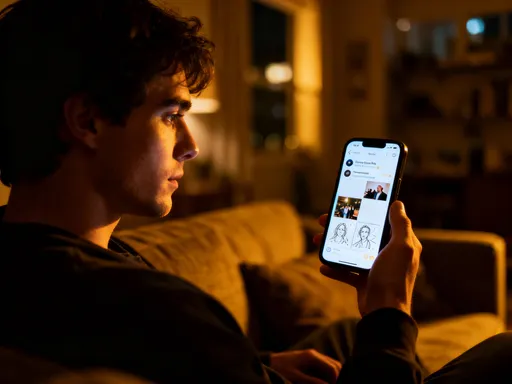
One of the biggest game-changers was a shared photo album that automatically updates. I created one for my parents and invited my siblings. Now, every time I take a photo of my kids, or a sunset, or even a funny moment at the grocery store, it appears in the album. No extra steps. No tagging. No typing. My mom told me she checks it every morning with her coffee. "It’s like getting a little window into your world," she said. And because it’s organized by date, she can actually find the photos she wants. No more digging through chats. No more "Where’s that picture of the birthday cake?"
Another favorite? Voice messages. We’ve all used them, but most of us use them as a substitute for texting. We started using them differently—as mini letters. Short, unedited, real. I send one to my sister every Friday: just a quick update, a laugh, a memory. She saves them. So do I. They’re not polished, but they’re full of life. And for my dad, who’s not big on typing, voice messages mean he can stay in the loop without frustration.
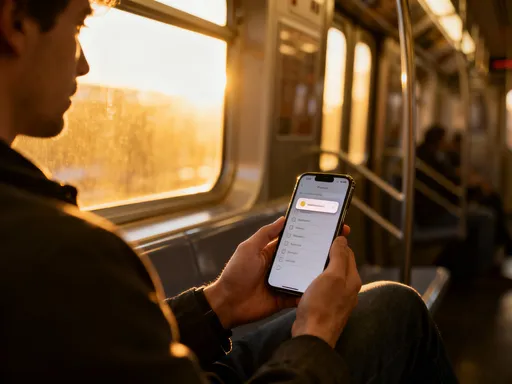
We also integrated our calendars in a simple way. Instead of using five different apps, we picked one that everyone could access—something basic, with color-coding and reminders. Birthdays, anniversaries, school events—everything goes in. And we set it up so important family dates send gentle alerts a week in advance. No more missed moments. No more last-minute panic. The tool doesn’t replace memory—it supports it. And that small change has brought a surprising sense of calm. We’re not chasing dates anymore; we’re preparing for them.
Making It Work: Our Real-Life Routine
So what does this look like in practice? Let me walk you through a typical day in our new rhythm. It’s not perfect, and we don’t do everything every day—but we’ve found a flow that feels natural, not forced.
Mornings often start with a voice message. If I’m walking the dog or making breakfast, I’ll record a quick note: "Good morning, Mom! The sky is pink today—reminds me of your favorite scarf." It takes ten seconds, but it carries so much. My mom says those little messages make her feel included, like she’s part of my day even from miles away.
During the day, photos go straight into our shared album. I don’t think about it—it’s automatic. When my son does something silly, or we try a new recipe, or the light hits the living room just right, the photo is already where it needs to be. My sister does the same. Last week, my niece added a drawing she made in school. Now the album isn’t just mine—it’s ours. It’s become a living scrapbook, growing quietly over time.
In the evenings, we use calendar check-ins. Every Sunday night, I spend five minutes reviewing the week ahead. I add any new events, confirm family plans, and make sure reminders are set. It’s not a chore—it’s a ritual of care. And because my parents and siblings can see the same calendar, there’s no confusion. When my nephew has a soccer game, we all know. When my mom has a doctor’s appointment, we’re reminded to call her afterward.
Once a week, we have a light check-in call—no agenda, no pressure. Sometimes it’s 15 minutes. Sometimes it’s an hour. We talk about small things: a new plant, a dream, a memory from childhood. The call isn’t the point—the continuity is. We’re not catching up; we’re staying caught up. And because we’ve already shared photos and voice notes, the conversation flows more naturally. We’re not filling silence—we’re deepening connection.
The Ripple Effect: Closer Families, Calmer Minds
What surprised me most wasn’t just that we felt closer to our families—it was how much lighter we all felt. My friend Lisa said it perfectly: "I used to carry this low-level anxiety about not doing enough. Now, I feel like I’m showing up, without burning out." That’s the real win here. It’s not just about better communication—it’s about better well-being.
We’ve noticed deeper conversations, too. Because we’re not starting from scratch every time we talk, we can go beyond "How are you?" We can say, "I saw the photo of your garden—did the roses bloom yet?" or "I heard your voice note about the storm—was the power out long?" Those small references build intimacy. They show we’re paying attention. And that attention creates trust.
Even our friend group has grown closer. We started sharing tips, cheering each other on, and celebrating small wins. When Sarah got her parents to join the shared album, we all celebrated like it was a milestone. And it was. Because every small step toward connection is a victory. We’re not just using tech—we’re supporting each other in using it with heart.
There’s also been a quiet healing in some relationships that had grown distant. One friend reconnected with her sister after years of strained communication. "Sending voice notes felt safer than calling," she said. "It gave us a way back in without pressure." Another friend started sharing photos with her aging father, who has memory challenges. "He looks at the album every day," she told me. "It helps him remember. It helps him feel loved." These aren’t just tech wins—they’re human ones.
Start Small, Stay Close: Your Turn to Begin
If you’re reading this and thinking, "This sounds nice, but I’m already overwhelmed," I hear you. That’s exactly where I started. The key isn’t to overhaul everything at once. It’s to begin with one small, meaningful step.
Ask yourself: What’s one moment today that I wish my family could see? Maybe it’s your daughter’s laugh, your morning coffee, the way the light hits your kitchen. Take a photo. Record a voice note. Share it—not because you have to, but because you want to. Then, invite one person to a shared album. Or set up a simple calendar invite for your mom’s birthday. Make it easy. Make it real.
And if someone in your family resists? That’s okay. Don’t push. Just keep showing up. Send that voice note even if they don’t reply. Add that photo even if no one comments. Consistency builds trust. Over time, they’ll start to notice. They’ll start to participate. And when they do, it won’t feel like a chore—it’ll feel like coming home.
The goal isn’t to be perfect. It’s to be present. You don’t need to post every moment or call every day. You just need to let love flow through the tools you already have. Start small. Stay consistent. And let the connection grow at its own pace.
Technology That Feels Like Love
In the end, the best technology doesn’t shout for attention. It doesn’t dazzle with features or demand constant updates. It quietly supports what matters most: the people we love. What we’ve built isn’t a complex system or a rigid routine. It’s a rhythm—a gentle, everyday way of saying, "I’m here. I see you. You matter."
Staying close doesn’t have to be hard. It doesn’t have to wait for a holiday or a crisis. It can happen in the quiet moments—a voice note with birdsong in the background, a photo of a messy kitchen after dinner, a calendar reminder that says, "Call Aunt Linda—she’s been feeling lonely." These small acts, supported by simple tools, add up to something powerful: a sense of belonging, even across miles.
And in a world that often feels too fast, too loud, too disconnected, that sense of closeness is everything. It calms our minds. It warms our hearts. It reminds us that love isn’t just something we feel—it’s something we practice. Every day. In small ways. With intention. With tools that don’t replace presence, but make it possible.
So go ahead. Send that voice note. Create that album. Set that reminder. Let technology do what it’s best at—carrying your love across the distance—so all that’s left is the human part: the warmth, the memory, the connection. Because in the end, the most advanced tech isn’t the one with the most features. It’s the one that helps you feel, simply and truly, close to home.