Detected every window left open in our home: How sensors improved our daily check-ins
We used to argue about whether the kids’ bedroom window was left open overnight. Small oversights turned into big tensions. Then we installed simple door and window sensors—not for security, but for peace. They didn’t just alert us when something was ajar; they changed how we communicate. No more assumptions, no more blame. Just gentle nudges and shared awareness. It sounds small, but it made our home feel more connected, calmer, and truly ours.
The Little Things That Started Big Fights
It started with something so minor, it almost felt silly to bring up. One rainy night, I woke up to the sound of wind rattling the kitchen window. I got up, pulled it shut, and went back to bed—only to find out the next morning that my partner thought I was supposed to have closed it. “I thought you did the final check,” he said. “I was sure you had,” I replied. That tiny misunderstanding spiraled into a tense conversation about responsibility, memory, and who “usually” handles what. It wasn’t about the window. It was about feeling like we were on different teams.
Over time, these moments piled up. The garage door left open after the kids came home from school. The front gate unlatched after the dog walker left. The patio slider slightly ajar during a cold snap. Each time, one of us would discover it hours later, already stressed or tired, and react with frustration. “Didn’t you check?” became a loaded question. It wasn’t really a question at all—it was an accusation wrapped in disbelief. We weren’t angry people. We loved our home, our family, and each other. But those little oversights chipped away at our sense of teamwork.
What we didn’t realize at the time was that we were both carrying invisible mental lists. I’d run through mine every night before bed: lock the doors, close the windows, unplug the iron. He had his own version. But because we never talked about it, we assumed the other person was doing the same. When something slipped through, it felt like a personal failure—or worse, a sign of carelessness. The truth? We were just two busy adults trying to keep a household running. We needed a system, not a lecture.
Why We Chose Sensors for Connection, Not Just Safety
When I first suggested installing door and window sensors, my partner was skeptical. “Are we really worried about break-ins?” he asked. Honestly, we weren’t. Our neighborhood was safe. The real threat wasn’t from outside—it was from inside: the slow buildup of small misunderstandings that made us feel out of sync. I explained that I wasn’t thinking of these sensors as security devices. I saw them as communication tools—like digital sticky notes that said, “Hey, just so you know.”
That shift in mindset changed everything. Most people think of smart home tech as a way to keep intruders out. But for us, it was about letting the right information in. We wanted clarity, not surveillance. We wanted to stop guessing and start knowing. The moment a sensor detects that a door or window has opened or closed, it sends a silent alert to both of our phones. No alarms, no flashing lights—just a small notification, like a whisper in the background.
Over time, those quiet alerts did something unexpected: they rebuilt trust. Instead of assuming someone had forgotten something, we could see what had actually happened. If the kitchen window opened at 3:15 p.m., and I knew the kids were home, I could assume one of them needed air—not that my partner had slacked off. The data didn’t assign blame. It removed the need for it. We stopped asking, “Did you close it?” and started saying, “Looks like the back door’s open—want me to grab it?” That small change in language reflected a bigger shift in attitude.
And here’s the thing—this wasn’t about laziness or convenience. It was about respect. We were respecting each other’s time, attention, and peace of mind. We were choosing to use technology not to monitor each other, but to support each other. That’s when I realized: the best tech doesn’t replace human connection. It makes space for it.
How the System Fit Into Our Real Life (Without Taking Over)
Before we bought anything, I’ll admit I was nervous. I didn’t want our home to feel like a lab or a fortress. I’d seen those smart homes where you need an app for everything—lights, locks, even the toaster. That wasn’t us. We wanted something simple, invisible, and intuitive. Something that worked with our lives, not against them.
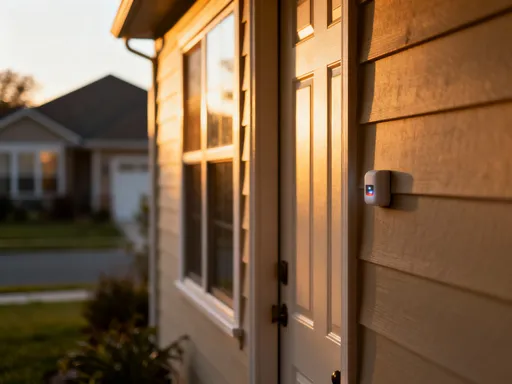
Luckily, the sensors we chose were exactly that. They’re small, battery-powered strips that stick to the door or window frame with adhesive—no drilling, no wiring, no electrician. We placed them on the kids’ bedroom windows (because someone always wanted “just a little breeze”), the front door, the garage, and the patio slider. Installation took less than 20 minutes. We connected them to a hub that links to our home Wi-Fi, and then downloaded the app. Both of us logged in, and just like that, we were set.
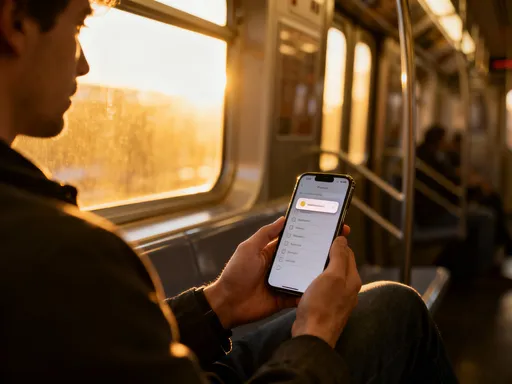
The alerts are subtle—just a small icon on our phone lock screens. We customized the settings so we only get notifications during certain hours. After 10 p.m., the system goes into “quiet mode,” unless a door opens, which triggers a gentle chime. We didn’t want to be woken up for a window opening at 2 a.m.—but we also didn’t want to miss something important. This balance was key. The tech wasn’t demanding our attention. It was offering it when needed.
What surprised me most was how quickly it faded into the background. After the first few days of “Oh, the garage just opened!” excitement, it became normal. We didn’t obsess over the alerts. We didn’t feel watched. Instead, we felt informed. It was like having a quiet helper in the house—one that never got tired, never forgot, and never judged. And because it required zero daily effort, it never felt like another chore. It just worked.
The Shift in How We Talk to Each Other
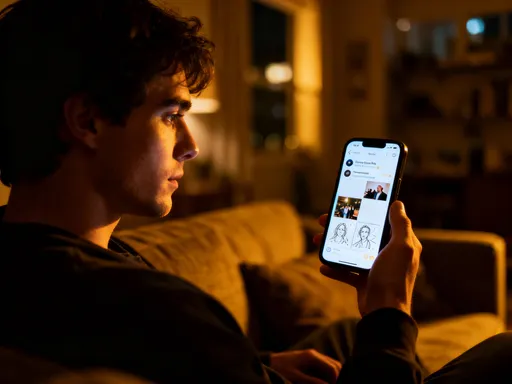
One night, I got a notification that the garage door had opened. My first instinct? Text my partner: “Did you leave it open again?” That old tone—the one that carried years of frustration—was right there, ready to go. But then I paused. I took a breath. And instead, I typed: “Saw the garage opened—everything okay?”
His reply came quickly: “Yeah, I went out to grab the mail. Forgot to close it behind me. Thanks for the heads-up.” No defensiveness. No irritation. Just a simple acknowledgment. That exchange felt different. Lighter. Kinder. And it wasn’t just because of what we said—it was because of how we started. The sensor had given us a neutral fact to build on, not an emotional accusation.
Over time, this became our new pattern. Instead of launching into “You forgot the front gate,” we’d say, “The app says the gate’s open—want me to swing by and latch it?” Instead of assuming the worst, we assumed the best. We stopped treating small mistakes as personal failures and started seeing them as normal parts of a busy life. The tech didn’t fix our communication—but it gave us a better starting point.
What I didn’t expect was how this would ripple into other areas of our relationship. We began applying the same mindset to bigger things—scheduling, parenting decisions, even financial planning. We started with data, not drama. We asked questions instead of making statements. We listened before reacting. It was as if the sensors had trained us to be more patient, more curious, and more collaborative. We weren’t just syncing our home—we were syncing our hearts.
Unexpected Benefits: Calmer Evenings, Lighter Minds
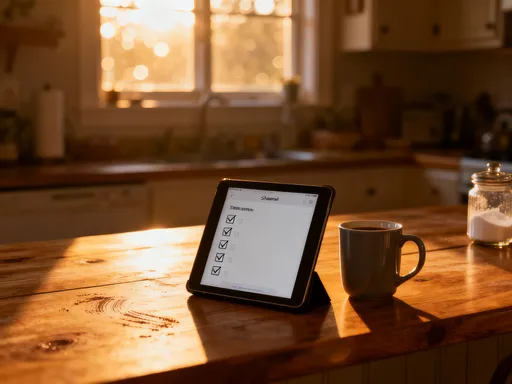
Before the sensors, one of us—usually me—would do a “final sweep” every night. I’d walk through the house, checking every lock, every window, every switch. It took about 10 minutes, but it felt longer because I was doing it while tired, while distracted, while already thinking about the next day. That ritual wasn’t just time-consuming—it was anxiety-inducing. What if I missed something? What if I thought I locked the door but didn’t?
Now, that sweep is gone. I don’t need to check. I trust the system. If something’s open, I’ll know. And if I don’t get a notification, I can assume everything’s secure. That 10 minutes? I use it to sit with my partner, read a chapter of a book, or just breathe. Our evenings feel slower. Richer. More intentional.
But the biggest surprise came from our kids. One night, my 10-year-old looked up from her homework and said, “You guys aren’t yelling about the back door anymore.” I laughed at first, but then it hit me: our home had changed. The tension had eased. The little stressors that used to build up were being caught early, handled gently, and forgotten quickly. The house didn’t just feel safer—it felt calmer.
And that calmness spread. I noticed I was less reactive during the day. I wasn’t carrying that low-level hum of “Did I remember to…?” in the back of my mind. My mental load felt lighter. I had more space to focus on what really mattered—my family, my work, myself. The sensors didn’t just protect our home. They protected our peace.
What We Learned About Trust and Small Tech
This whole experience taught us something powerful: trust isn’t just built through big gestures. It’s built through small, consistent actions—and sometimes, through small, consistent technologies. We used to think trust meant never doubting each other. But now we see it differently. Trust means believing that even when mistakes happen, we’ll handle them with kindness. The sensors didn’t eliminate errors. They eliminated the shame around them.
We no longer see an open window as a failure. We see it as a reminder—gentle, neutral, and helpful. It’s not a sign that someone didn’t care. It’s a sign that the system is working. And that shift in perspective changed how we see each other. We’re not keeping score anymore. We’re on the same team.
The sensors gave us more than information. They gave us a shared language. A simple alert isn’t a problem—it’s a prompt. It says, “Hey, something’s up. Let’s handle it together.” That “together” is everything. It means we’re both invested. We’re both paying attention. We’re both looking out for the same home, the same family, the same life.
And that’s the real magic of thoughtful tech—not that it does the work for us, but that it helps us do the work together. It doesn’t replace human care. It amplifies it. It turns small moments of friction into opportunities for connection. It reminds us that we’re not alone in the details.
Why This Could Help Any Couple or Family
If you’ve ever snapped at someone over a forgotten lock, a drafty window, or a light left on, this is for you. You don’t need a full smart home setup. You don’t need to be tech-savvy. You just need to care about reducing stress and improving connection. These sensors aren’t about living in the future. They’re about living better, right now.
For couples, they can be a quiet bridge over the daily gaps in communication. For families with kids coming and going, they offer reassurance without constant questioning. For anyone who’s ever lain in bed wondering, “Did I lock the door?” they bring peace of mind. They create clarity without conflict. They replace guesswork with knowledge. And they do it all without taking over your life.
What I love most is that this isn’t about perfection. It’s about progress. It’s about using simple tools to support real human needs—security, connection, peace. It’s about recognizing that love isn’t just in the big moments. It’s in the small ones too: a closed window, a quiet alert, a gentle text that says, “I’ve got this.”
So if you’re feeling that familiar tension—the kind that starts with a window left open—consider this: maybe the fix isn’t more effort. Maybe it’s smarter support. A tiny sensor. A quiet alert. A chance to connect, not clash. Because at the end of the day, home isn’t just a place. It’s a feeling. And sometimes, all it takes is a little tech to help us feel it more deeply.