How I Mastered Luxury Spending Without Blowing My Budget
Luxury purchases always tempted me—designer bags, premium watches, first-class trips. I used to think they were financial sins. But after years of trial, error, and real budget crashes, I discovered a smarter way. It’s not about saying *no* to luxury—it’s about saying *yes* strategically. Now, I enjoy high-end buys while staying firmly in control. This is how I turned indulgence into a disciplined, rewarding part of my financial plan—without regret or debt. What began as a cycle of guilt and overspending transformed into a structured, fulfilling approach that aligns with long-term stability. The truth is, financial freedom doesn’t mean living without pleasure. It means making intentional choices that support both enjoyment and security. This journey wasn’t about cutting out luxury—it was about redefining it.
The Hidden Truth Behind Luxury Spending
Luxury spending, in itself, is not the enemy of financial health. The real issue lies not in the purchase of a high-end handbag or a weekend getaway, but in the mindset and mechanics behind it. For many, luxury becomes a symbol of excess because it’s often pursued without reflection or planning. Yet, when approached with intention, a luxury item can represent more than indulgence—it can symbolize achievement, self-worth, and thoughtful reward. The key distinction is between emotional spending and intentional indulgence. Emotional spending is reactive: triggered by stress, comparison, or fleeting desire. Intentional indulgence, on the other hand, is proactive, rooted in values, goals, and financial readiness.
Consider the woman who saves for months to buy a timeless wool coat from a reputable brand. She researches materials, fits, and care instructions. She chooses durability over trendiness and views the purchase as an investment in both comfort and confidence. Contrast this with the same woman impulsively buying three fast-fashion coats during a sale, each worn only a few times before being discarded. Both involve spending, but only one aligns with financial wisdom. The first supports long-term value; the second drains resources without lasting benefit. This is the hidden truth: luxury is not defined by price tag, but by purpose.
Moreover, labeling all non-essential spending as irresponsible overlooks the psychological role of reward in personal finance. Humans are not machines; we respond to motivation, celebration, and sensory pleasure. Denying ourselves all enjoyment can lead to burnout and eventual financial relapse. The goal, then, is not elimination but integration—embedding luxury into a balanced financial life. When luxury is treated as a planned, earned experience rather than a forbidden temptation, it loses its power to derail budgets. Instead, it becomes a tool for reinforcing discipline, patience, and self-respect.
Why Most People Fail at Luxury Cost Control
The most common reason people fail to manage luxury spending is not lack of income, but lack of structure. Many operate under the “treat yourself” philosophy, where occasional splurges are justified as rewards for hard work or emotional survival. While this mindset feels empowering in the moment, it often leads to a slippery slope. A single treat becomes a habit; a habit becomes a pattern; a pattern becomes a budget crisis. The problem is not the desire for enjoyment, but the absence of boundaries that transform impulse into strategy.
Emotional triggers play a major role in uncontrolled spending. Stress from work, loneliness, social media comparison, or even boredom can spark the urge to buy something luxurious as a form of comfort. Retail therapy, while temporarily soothing, rarely addresses the root cause of emotional discomfort. Instead, it creates a cycle where spending becomes a coping mechanism rather than a celebration. Over time, these small, unplanned purchases accumulate. A $200 pair of sunglasses here, a $150 dinner there—individually they seem manageable, but collectively they can erode savings, delay financial goals, and increase reliance on credit.
Another critical factor is the lack of tracking and prioritization. Many people do not categorize luxury spending in their budgets, making it invisible and therefore unmanageable. Without awareness, it’s easy to lose sight of how much is spent on non-essentials. Additionally, social pressure—especially in communities where appearances matter—can normalize overspending. Seeing friends post about designer items or exotic vacations may create a subconscious belief that luxury is a requirement for success or happiness. This external influence, combined with internal emotional needs, makes it difficult to maintain control without a clear personal framework.
The result is often regret. After the initial excitement fades, the reality of the financial impact sets in. The joy of the purchase is replaced by anxiety over bills, credit card balances, or missed savings targets. This emotional whiplash reinforces the idea that luxury is dangerous, when in truth, the danger lies in the lack of planning. The solution is not to stop spending—it is to spend with awareness, intention, and alignment with personal values.
Building Your Personal Luxury Framework
The foundation of sustainable luxury spending is a personalized framework that reflects your unique values, goals, and lifestyle. This framework begins with a simple but powerful question: What does luxury mean to *you*? For one person, it might be a quiet weekend at a countryside inn; for another, it could be a high-performance blender that makes morning smoothies a joy. Luxury is not universal—it is deeply personal. Defining it for yourself removes the influence of trends, social media, and comparison, allowing you to focus on what truly brings fulfillment.
Start by listing the categories that spark joy: travel, fashion, home décor, dining, technology, wellness, or experiences. Then, rank them by emotional and practical value. Which purchases leave you feeling satisfied weeks later? Which ones gather dust or cause regret? This exercise helps identify your authentic luxury priorities. Once you know what matters most, you can allocate resources accordingly. For example, if weekend getaways bring you lasting happiness, it makes sense to prioritize travel over frequent clothing purchases that don’t add value.
Next, establish non-negotiable boundaries. These include frequency limits (e.g., one major luxury purchase per quarter), funding rules (only from saved funds, never on credit), and pre-approval criteria (must align with long-term goals). These boundaries are not restrictions—they are enablers. They give you permission to enjoy luxury without guilt because every purchase is intentional and earned. For instance, a woman who dreams of a designer handbag might decide to save $100 per month for 12 months. During that time, she researches styles, compares retailers, and ensures the bag fits her lifestyle. When she finally buys it, the satisfaction comes not just from ownership, but from the discipline it took to get there.
Aligning luxury with long-term goals ensures that spending supports, rather than undermines, financial health. If retirement savings or children’s education are top priorities, luxury spending should never compromise them. Instead, it should exist within a balanced system where rewards are earned *after* responsibilities are met. This alignment creates a sense of harmony between pleasure and prudence, turning luxury into a celebration of progress rather than a distraction from it.
The Funding Strategy That Makes Luxury Affordable
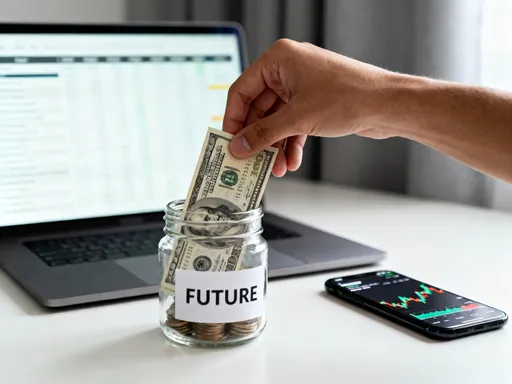
One of the most effective ways to enjoy luxury without financial stress is to treat it as a planned expense, not an emergency. This begins with creating a dedicated “luxury fund”—a separate savings account specifically for high-end purchases. Unlike dipping into emergency savings or relying on credit cards, this fund operates on the principle of paying yourself first. Each month, a fixed amount is automatically transferred into the account, ensuring that luxury spending is pre-paid and debt-free.
The psychology behind this strategy is powerful. When money is set aside in advance, spending feels earned rather than reckless. There is no anxiety about repayment, no hidden interest, and no impact on other financial goals. For example, a monthly contribution of $150 grows to $1,800 in a year—enough to cover a premium vacation, a high-quality piece of furniture, or a designer accessory. The key is consistency: treating the luxury fund with the same seriousness as retirement or utility bills.
Automating contributions removes the temptation to skip or redirect funds. By setting up a direct transfer from checking to savings on payday, the money is allocated before it can be spent elsewhere. This method also builds financial discipline over time. As the balance grows, so does confidence. Seeing the fund increase reinforces the idea that luxury is not a privilege of the wealthy, but a reward of thoughtful planning.
Another benefit of this strategy is clarity. With a dedicated fund, you can track exactly how much is available for luxury spending, making it easier to make informed decisions. If a desired item costs more than the current balance, you have two choices: wait and save, or adjust the purchase to fit the budget. This eliminates the “I’ll figure it out later” mentality that often leads to debt. Additionally, because the fund is separate, it does not interfere with emergency savings or investment accounts, preserving financial stability while allowing room for enjoyment.
The 3-Stage Approval Process for Smart Splurges
Impulse is the biggest obstacle to responsible luxury spending. To overcome it, a simple yet effective system can be implemented: the 3-Stage Approval Process—Identify, Wait, Approve. This method introduces a deliberate pause between desire and action, allowing emotions to settle and logic to take over. The result is fewer regrettable purchases and more meaningful ones.
The first stage, *Identify*, begins when a luxury item captures your attention. Instead of acting immediately, document it. Write down the item, its price, where you saw it, and why you want it. Is it for status? Comfort? A milestone celebration? This step increases awareness and shifts the brain from emotional reaction to thoughtful analysis. Simply putting the desire into words reduces its urgency.
The second stage, *Wait*, involves a mandatory 30-day cooling-off period. During this time, the item remains on your list but is not purchased. Use the days to reflect: Do I still want it? Can I afford it without compromising other goals? Does it align with my personal luxury framework? Often, the initial excitement fades, revealing that the desire was temporary. This is not a loss—it’s a savings. Research shows that most impulse-driven cravings diminish significantly after a few weeks, especially when not reinforced by immediate gratification.
The third stage, *Approve*, occurs only after the waiting period. Revisit the item with fresh eyes. If it still fits your budget, values, and long-term goals, proceed with confidence. If not, remove it from the list without guilt. This process transforms luxury spending from a gamble into a decision. It ensures that every purchase is deliberate, not dictated by mood or marketing. Over time, this habit builds financial resilience and emotional intelligence, making you less reactive and more in control.
Real-Life Trade-Offs That Keep You on Track
Sustainable luxury is not about having everything—it’s about choosing what matters most. This requires making conscious trade-offs, small sacrifices that balance pleasure with responsibility. These micro-decisions are not about deprivation, but about prioritization. They reflect a deeper understanding that every dollar spent is a choice, and every choice has an opportunity cost.
For example, a woman might decide to skip three weekend brunches at $60 each to save $180 toward a designer scarf she’s been eyeing. The individual meals may seem insignificant, but together they represent a meaningful trade. By redirecting those funds, she gains not only the scarf but also a sense of agency. She didn’t go without—she chose differently. These small acts of intention compound over time, building financial awareness and discipline.
Another common trade-off is delaying upgrades. Instead of booking business class on every flight, a traveler might opt for economy on short trips and save for one premium experience per year. This approach allows for both affordability and enjoyment. Similarly, someone passionate about home cooking might forgo frequent takeout to invest in high-quality kitchen tools that enhance daily life. The pleasure derived from using a well-crafted knife or a reliable mixer often outweighs the fleeting satisfaction of a restaurant meal.
Trade-offs also extend to time and effort. A thoughtful luxury purchase often requires research, comparison, and patience. Waiting for a sale, using loyalty points, or buying pre-owned from reputable sources can significantly reduce costs without sacrificing quality. For instance, a luxury watch purchased secondhand from a certified dealer may cost 30–40% less than retail, with the same craftsmanship and prestige. These strategies reflect a mature financial mindset—one that values intelligence over impulse, and long-term gain over short-term thrill.
Turning Luxury Into Long-Term Value
The smartest luxury purchases are not those that merely impress, but those that deliver lasting value. This means shifting the focus from consumption to investment—choosing items that appreciate, endure, or enrich life over time. A well-made leather handbag, for example, can last decades with proper care, becoming more beautiful with age. In contrast, a trendy fast-fashion bag may fall apart after a season, offering only temporary satisfaction.
Timeless design is a hallmark of long-term value. Classic styles in neutral colors transcend seasonal trends, ensuring relevance year after year. This reduces the need for frequent replacements, ultimately saving money. Similarly, high-resale items—such as certain watches, handbags, or collectible jewelry—can retain or even increase in value. While not all luxury goods are investments, choosing those with strong resale markets adds a financial benefit to the emotional one.
Experiences, too, can offer enduring value. A cooking class in Tuscany, a guided nature retreat, or a family trip to a cultural landmark may cost more than everyday spending, but the memories and personal growth they provide last a lifetime. Unlike material goods, which can lose appeal, meaningful experiences often deepen in significance over time. They become stories, lessons, and sources of connection.
This mindset shift—from fleeting consumption to lasting utility—transforms luxury into a form of self-investment. It encourages quality over quantity, depth over appearance, and intention over impulse. When luxury is chosen for its enduring impact, it becomes more than a purchase: it becomes a legacy. Each item or experience reflects who you are, what you value, and how you choose to live. In this way, luxury is not a burden on your finances, but a reflection of your financial maturity.
Luxury With Legacy
Luxury does not have to come at the cost of financial stability. When approached with discipline, clarity, and intention, it becomes a powerful expression of personal values and long-term planning. The journey to mastering luxury spending is not about restriction, but about empowerment. It is about reclaiming the right to enjoy life without fear of regret or debt. By building a personal framework, funding purchases responsibly, and making thoughtful trade-offs, luxury becomes not an exception, but a sustainable part of a balanced financial life.
The ultimate reward is not the item itself, but the confidence that comes from knowing you are in control. Every smart splurge reinforces patience, self-awareness, and financial resilience. Over time, this builds a deeper sense of peace—a quiet assurance that you can enjoy today without compromising tomorrow. This is the true legacy of disciplined luxury: not just beautiful things, but a beautiful relationship with money.